
School and University

    Students and Apprentices

    Undergraduate and PhD Students

    Teachers

    Higher Education Statistics

    Scholarships

Career

    Career Guidance

    Job Vacancies

    Salary Information and Income Survey

    Academy

    Mentoring

Community

    Divisions

    Young Chemists’ Forum (JCF)

    Local Sections

    Regulars' Get-Togethers

    Chem_Connect

    Equal Opportunities and Diversity

    Partnerships and International Activities

    Volunteering

    Membership

Discover Chemistry

    Top Topics

    “Nachrichten aus der Chemie” – Members’ Magazine

    Scientific Journals

    Statements and Position Papers

    Press Releases

    Brochures and Academic Publications

    Books, Videos and Podcasts

    The Fascination of Chemistry

    Cartoons

    Biographies of Female Chemists

Events

    Conferences

    Academy

    Lectures

    Further Events

Awards

    Prices

    Historical Sites of Chemistry

About Us

    Board and Other Bodies

    The Office

    Statutes and Code of Conduct

    Charities

    Press and Public Relations

    Sustainability

MyGDCh

GDCh

Chemistry for a better world

© 2026 Gesellschaft Deutscher Chemiker. All rights reserved.

NewsletterDownloadsPressContactGDCh Shop
Legal NoticeData PrivacyTerms & Conditions
Homepage/Divisions/Senior Expert Chemists/Online lectures/Petra Schultheiß-Reimann
Online lectures

Petra Schultheiß-Reimann
Petra Schultheiß-Reimann

Lithium: the white gold of the Andes

Online lecture by Petra Schultheiß-Reimann on 20.06.2023, 3 pm

Moderation: Eva Wille

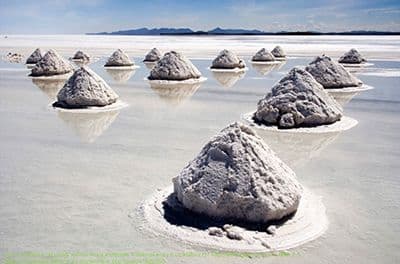
The largest deposits of lithium are found in the Andes of Latin America. The rare metal lithium has become increasingly important in recent decades because of the batteries in mobile electrical devices such as smartphones and laptops, and above all because of electric cars. On Earth, lithium occurs in so-called salars as brine and in ore deposits in the form of pegmatite. The brines are processed through water evaporation and precipitation, based on the different solubilities of the salts found in the lakes. The lithium carbonate obtained in technical grade can be packed in sacks, shipped and easily processed further. The most important application of lithium is the lithium-ion battery. Lithium itself is produced from lithium chloride using molten-salt electrolysis. Will lithium deposits be sufficient in the future? It is therefore important to develop technologies for recycling raw materials. There have now been some interesting developments; one from Evonik will be presented at the end.