
Ludwig Kuhlmann
Moderator: Eberhard Ehlers
The results of analytical methods often have to be statistically evaluated. Generally speaking, the mean of many individual values is considered to be closest to the “true” value. Nevertheless, many people are also familiar with the statement that if someone is “standing with one foot on a hotplate and the other foot in ice water, they should feel quite comfortable on average.” This makes it clear that the individual values must have significance.
This point is explored using pharmaceutical testing as an example. Both the manufacture and testing of medicinal products require validated processes and methods. This ensures that accuracy and reliability are assured. For analytical methods, in addition to accuracy, specificity, detection limit and quantification limit, robustness must be described as part of the validation process. Particularly important is the variability of the method, which includes repeatability, intermediate precision and also long-term precision.
As part of the marketing authorisation of medicinal products, acceptance criteria are established which must be met by every batch of a medicinal product. The authorities’ guidelines also stipulate that the individual values are subject to certain criteria. This is illustrated in greater detail using the test for uniformity of dosage units in tablets or comparable preparations as an example.
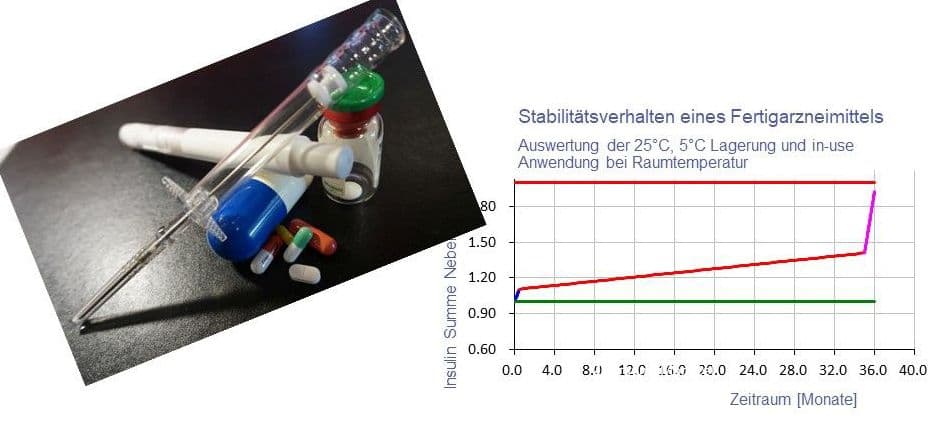
The variability of analytical methods plays a major role in stability testing, which is carried out over many years with one or more batches. Over such long periods, the variability of analytical methods is particularly high, as many factors influence the analytical methods. This becomes clear from the range of variation of the individual values.
Especially in stability studies, it is important to make predictions about the shelf life of the medicinal product, showing whether the specified acceptance criteria can be met. This is illustrated using a medicinal product as an example, making the significance of the individual values clear.
Chair: Eberhard Ehlers
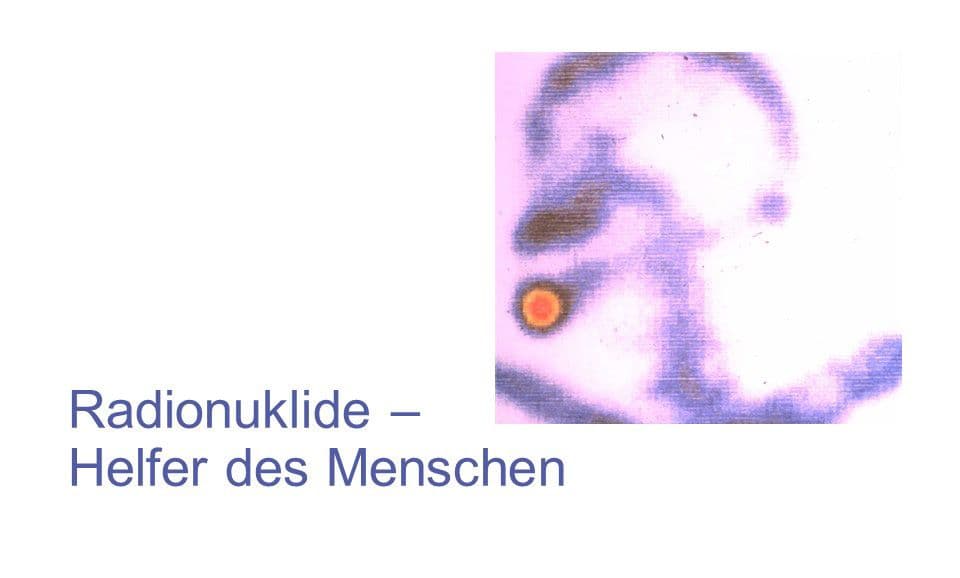
The focus is on the diagnostic application of radioactively labelled substances which, once introduced into the body, are detected as γ-radiation outside the body using specific camera systems (Single Photon Emission Computer Tomography (SPECT) or Positron Emission Tomography (PET)) and converted into images. Nuclear medicine diagnostics is functional diagnostics.