
Klaus Roth
Moderation: Wolfgang Gerhartz
Have you been passed over for this year’s Nobel Prize yet again? Of course you are right, this disregard is an outrageous injustice! But what can you do? The selection criteria are shrouded in darkness, and those in Stockholm simply do as they please. But there are alternatives, every bit as prestigious and only for the best of the best. If you have become curious, “here’s where you’ll get help”!
Link to the lecture:
https://us06web.zoom.us/j/86190573632?pwd=fK8Vlzj2zWbdAhBTbGr0JeFVZzIfXQ.1
Online lecture by Klaus Roth on 18 April 2023, 3 p.m. sharp
Chair: Wolfgang Gerhartz
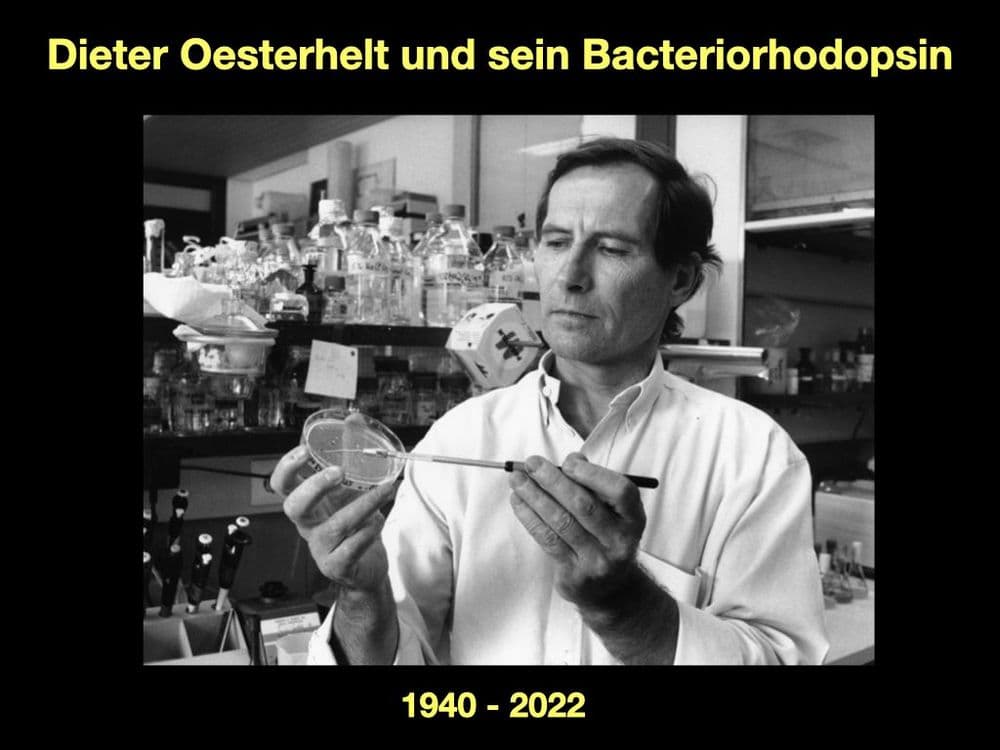
The name Dieter Oesterhelt is closely associated with the bacteriorhodopsin he discovered, which performs an incredible feat in the cell membranes of the archaeon Halobacterium salinarum: when exposed to light, it transports protons from inside the cell through the membrane to the outside. This account will trace how Dieter Oesterhelt stumbled into his future field of research by chance, recognised his good fortune and, thanks to insatiable curiosity, considerable skill and a good measure of perseverance, achieved a chemical masterpiece. He was frequently honoured for his research achievements, most recently in 2021 with the prestigious Albert Lasker Award. The Nobel Prize he had long since deserved was incomprehensibly withheld from him—a mistake that can no longer be rectified.

Online lecture by Klaus Roth on 11 October 2022, 3 p.m. sharp
Moderation: Wolfgang Gerhartz
In 1700, Berlin was the place to be. Bright minds were recruited from all over Europe and flocked to the city. They were welcome; no one asked about their religion, and they were allowed to try their luck. In this colourful start-up scene, a few alchemists made a once-in-a-century discovery with Prussian blue. The start-up company that was founded flourished, and the entire business plan consisted of a strictly secret formula. The company’s future seemed secure, but just a few years later, the entire manufacturing process was suddenly and unexpectedly published in full detail in the Philosophical Transactions of the English Royal Society. It was a vile betrayal, and the search for the culprit continued for 300 years. Only recently was the case finally closed. Let us revisit this alchemical Berlin “crime scene” once again.
Did you enjoy the lecture? Or will you be unable to attend the lecture? Then write to Prof. Roth by email; he will be happy to provide you with the slides from his lecture.
Chair: Wolfgang Gerhartz
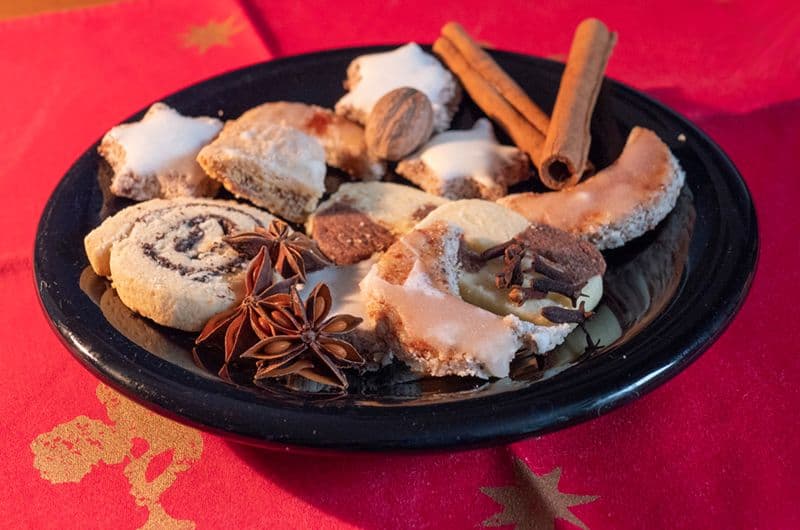
Every year, around the First Sunday of Advent, many local kitchens are transformed into small bakeries, where biscuits and other baked goods are made together. Then the scent of freshly baked Christmas biscuits, cinnamon stars, stollen and gingerbread wafts through the living rooms. No other celebration is so closely associated with aromas as Christmas, and this sensory impression remains with us throughout our lives as a blissful memory. Let us follow the scent trail and try to uncover the chemical basis of the Christmas aroma. The effort will be rewarded, because with our new knowledge, Christmas treats are guaranteed to taste even better.
Did you enjoy the lecture? Or will you be unable to attend the lecture? Then email Prof. Roth; he will be happy to provide you with the slides from his lecture.

Klaus Roth