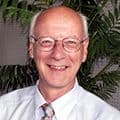
Gerhard Heywang
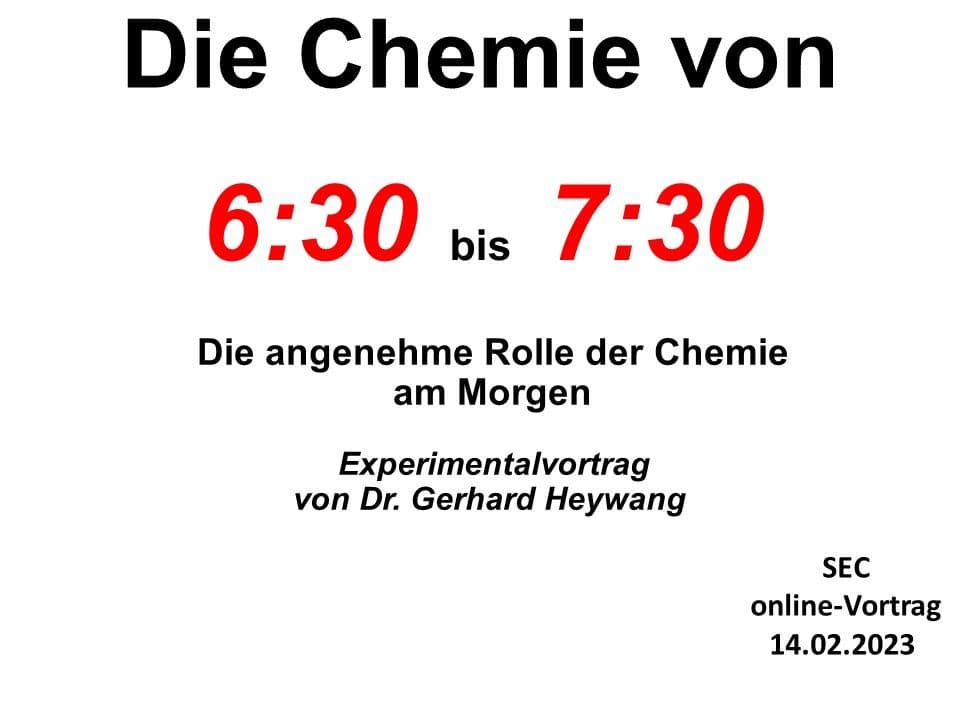
Moderation: Eva Wille
In the hour after waking up, we are confronted with a wealth of chemicals and chemical products: Usually in an exceedingly pleasant way! The experimental lecture explores the diverse facets of chemistry in the morning.
By breakfast, we have encountered water, plastics and toothpaste—that’s still acceptable—but also acetaldehyde, furfurylthiol and sotolon (components of coffee aroma). We allow surfactants, fragrances and colourings to act on the body and try to get rid of them again using the biosolvent water.
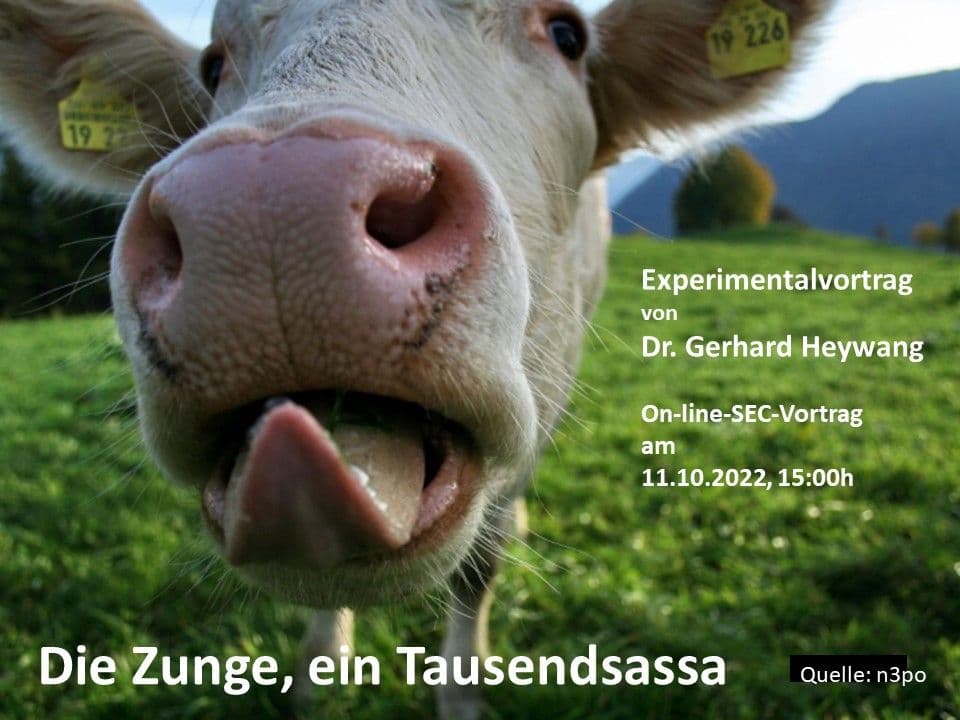
Moderation:
Wolfgang Gerhartz
The tongue is a very versatile organ. It helps with speaking, swallowing, chewing and many other activities in the mouth. The tongue consists of 9 different muscles, each of which can only contract, yet it is possible to stick out the tongue. How does that work? And how does it work when a chameleon can catapult its tongue out to the length of its own body? What does a gummy bear taste like if you only place it on your tongue? Does salt always taste salty, and isn't hot chilli actually bodily harm? Who can roll their tongue? And what happens with the rolled R? Overall, this is about physics, biology and chemistry in the mouth. Attendees are asked to have a gummy bear and a grain of salt ready.
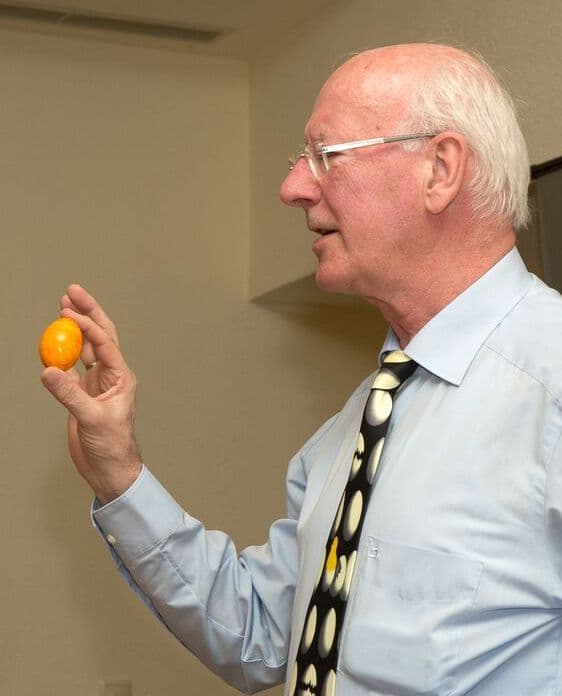
Moderation: Eberhard Ehlers
Everyone has eaten an egg at some point – probably indulging in the enjoyment without thinking about the interesting questions and informative answers hidden behind eggs.
The experimental lecture explores various aspects of the egg and answers questions such as: Why does an egg boiler need a lot of water for a few eggs and little water for many eggs? Why are eggs plunged into cold water? Which way round does the egg come out of the hen? Which hens lay white eggs and which lay brown eggs? What is the colouring matter in brown eggs made of? How can you tell whether an egg is cooked or raw? How long does a hen need to produce 8g of protein for the egg? How long does shell formation take? Are chickens stupid or clever? And much more besides.
Did you enjoy the lecture? Or will you be unable to attend the lecture? Then email Dr. Heywang and he will be happy to provide you with the slides from his lecture.