2014 Braunschweig
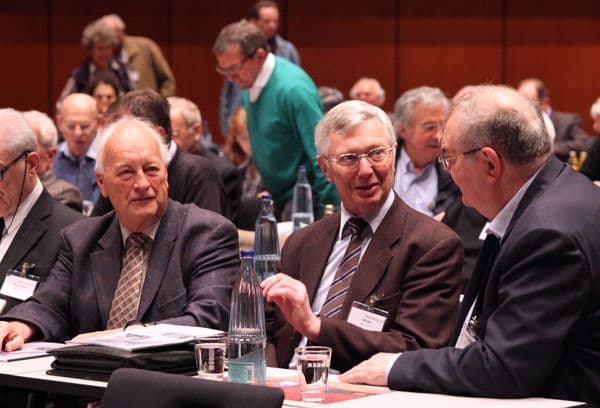
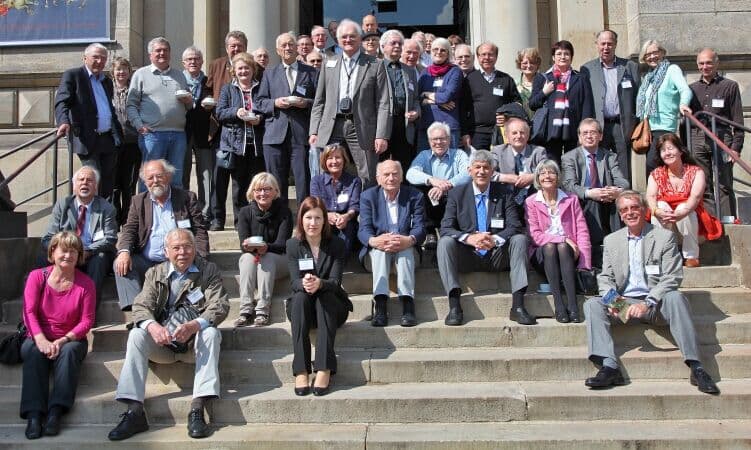
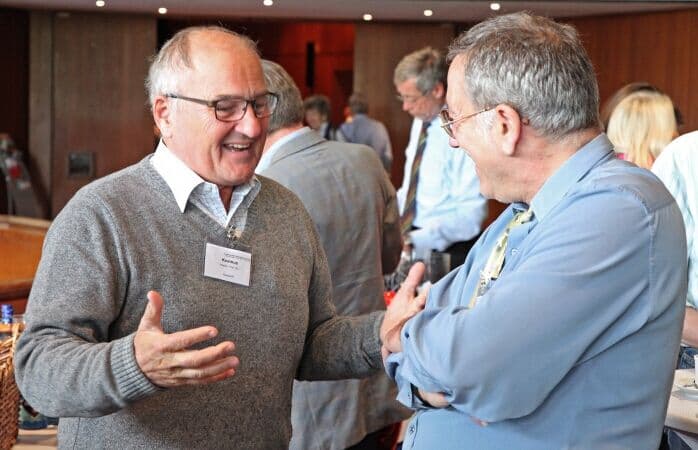
Under the motto “High-tech and cutting-edge research in the heart of Germany”, Senior Expert Chemists and young chemists met in Braunschweig from 6 to 8 May 2014 for the 5th annual meeting of the Senior Expert Chemists.
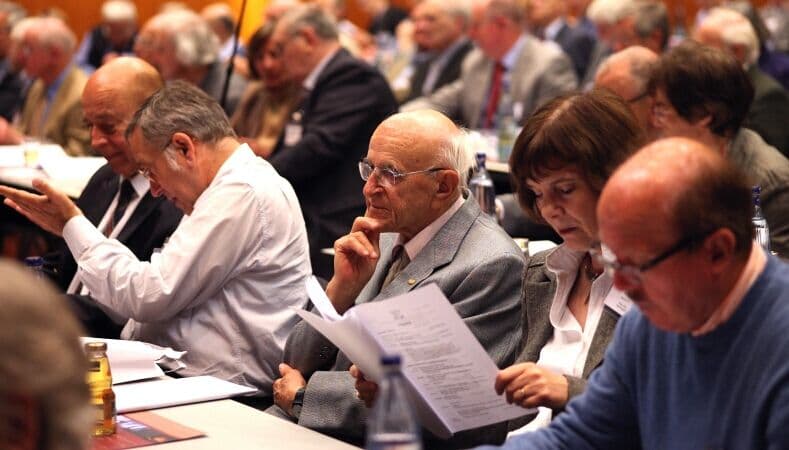
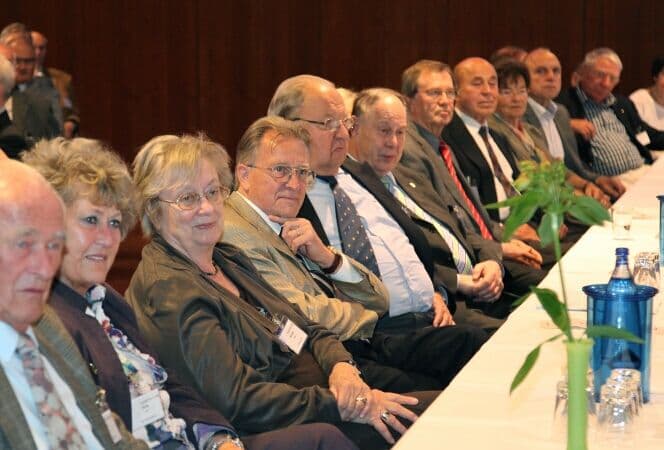
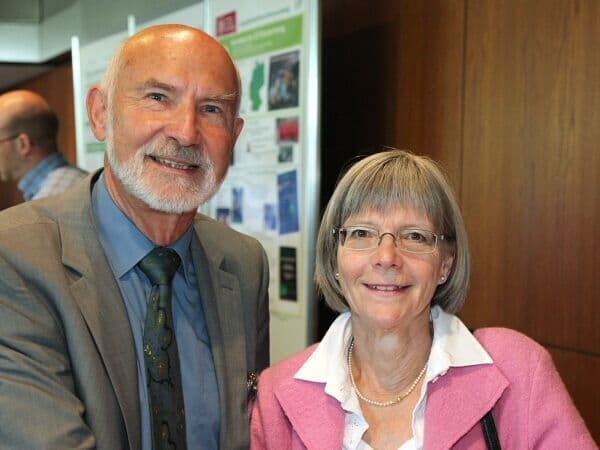
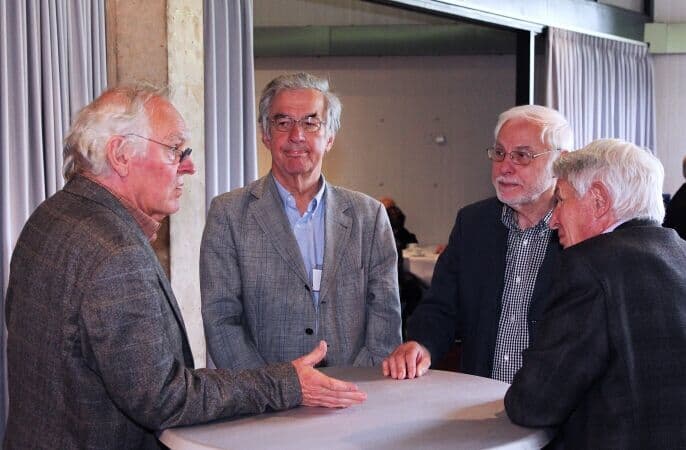
Motivated by the varied scientific and cultural programme and the opportunity to discuss matters with colleagues, more than 200 participants and guests gathered at Braunschweig’s Stadthalle. A gathering that has now become a tradition was thus expanded by another high-calibre event. The focus of this meeting was food chemistry, to which the Braunschweig region makes a major contribution through research, regulation and industry.
Horst Altenburg, the Chair of the SEC, opened the annual meeting. Addresses of welcome were given by Barbara Albert, Vice-President of the GDCh, Johannes Wefer, regional spokesperson for the JCF, and Heidemarie Helmsmüller, Lower Saxony Ministry of Food, Agriculture and Consumer Protection. A letter of greeting from Minister Manuela Schwesig was read out; the Federal Ministry for Family Affairs, Senior Citizens, Women and Youth, headed by her, had once again generously supported our Conference.
In keeping with the special status of food chemistry at this Conference, Thomas Henle began the first lecture series with the Maillard reaction, a reaction that has changed the world. It is the conversion of reducing carbohydrates with amino compounds; it determines the smell and taste of thermally prepared foods, but also occurs in the body, for example in diabetes and ageing processes. An overview of research and findings demonstrated the far-reaching significance of this complex reaction. In a very topical lecture addressing all food consumers, Axel Preuß then showed how important scientifically based assessment of food crises and scandals is in order to counteract exaggerated media scaremongering and draw attention to microbiological hazards that receive too little consideration. Using typical examples, he demonstrated how risk perception and actual danger often differ considerably.
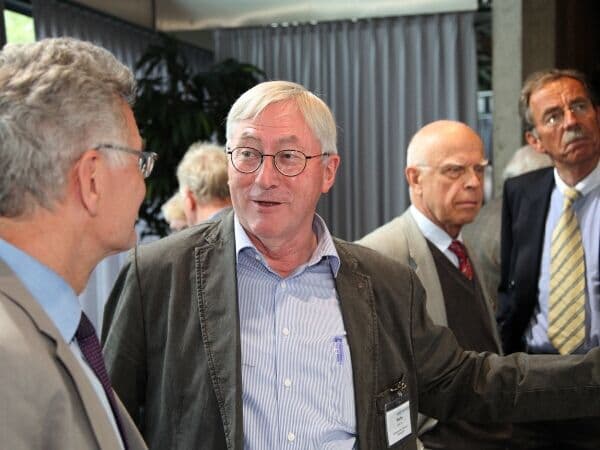
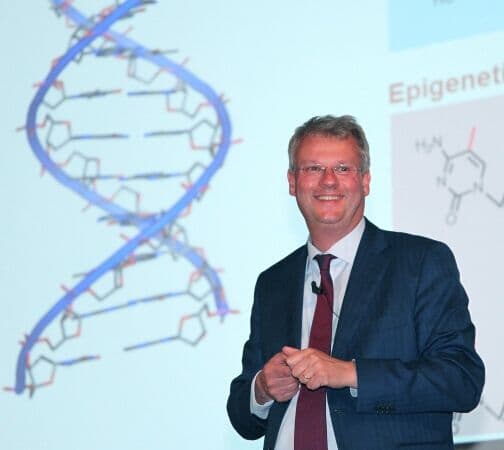
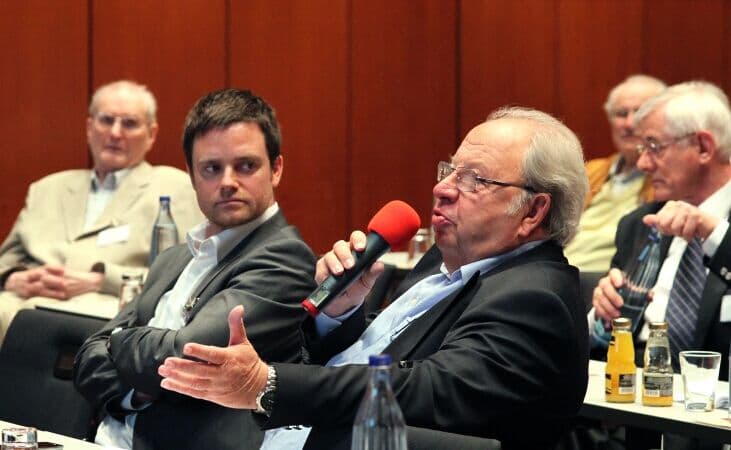
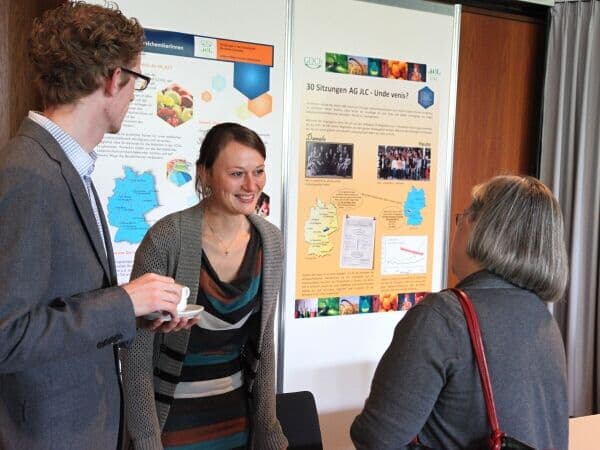
During the following coffee break, lively discussions between young and old took place around the 18 posters. The topics ranged widely from chemistry in schools and observations from the history of chemistry to current research work in the field of biochemistry. Back in the lecture hall, the audience listened to Thomas Carell’s fascinating lecture. Mass-spectrometric analysis and synthesis of isotope-labelled rare DNA bases, beyond Watson and Crick, as well as their possible significance in epigenetics and stem-cell development, were presented and discussed in a lively debate. “Biomineralisation” was the subject of Rüdiger Kniep’s lecture. He demonstrated the fascinating observation that biominerals can self-assemble from simple “ingredients” such as gelatine and aqueous ionic solutions, for example in the formation of calcite-based otoconia in the inner ear.
Before the evening event, Braunschweig’s Mayor Rohse-Paul welcomed the Conference participants. The renowned historian Gerd Biegel then took the audience on a journey through the centuries, at the centre of which stood Braunschweig, the city of Henry the Lion, and famous citizens such as Gauss, Spohr and Lessing.
Wednesday morning began with a lecture by Ralf Thomas (VW-AG), which showed the importance a global corporation attaches to its employees’ voluntary commitment – an encouragement for the SEC to continue along its path.
Sexual reproduction has the advantage over cloning organisms that offspring can respond more flexibly to external threats such as infections. As Manfred Milinski showed, the sense of smell plays a significant role in mate selection. Joachim Ullrich reported on the entire range of work carried out by the Physikalisch-Technische Bundesanstalt (PTB). The listeners had almost filed away the fact that a second can be measured with an accuracy of 10-18 under “nice to know”. However, if one considers the consequences of incorrect time measurement, for example in road traffic, metrology takes on a very practical role. Not to mention global stock-market trading and computer networks.
The participants demonstrated their open-mindedness towards the humanities by taking part in the excursion to the Herzog August Library and the Lessing House. Under expert guidance, the library’s treasures were presented, while the origins and present-day significance of the collection were explained by the Head of the institution, Helwig Schmidt-Glintzer. Participants more interested in technology went on an excursion to Wolfsburg to explore Phaeno or Autostadt.
A formal dinner afterwards was accompanied by further addresses of welcome (Jasmin Bauerfeind, Young Food Chemists) and an eloquent lecture by Ulrich Nöhle on the double standards in advertising and reporting, particularly concerning food.
The following morning, Franz Effenberger showed that a technical variant of photosynthesis could indeed be economically viable – namely the hydrogenation of CO2 with excess hydrogen (produced by water electrolysis using electricity from wind and solar installations) to methane or methanol. In keeping with this, Christan Deusner reported on large deposits of methane in ice (gas hydrates). Hennig Hopf enriched his lecture on creativity in basic research with numerous quotations from famous chemists. The Conference concluded with a very amusing lecture by Klaus Roth on sweeteners. Thus, shortly before 1914, there was a saccharin prohibition throughout Europe; as is customary with such bans, it unleashed the creativity of the most adventurous smugglers.
The high quality of the lectures and posters, the stimulating discussions and, not least, the good organisation, especially by Hans-Uwe von Grabowski and the GDCh: all this gave the Conference participants something to look forward to at the next SEC annual meeting in Münster (7–9 June 2016).
Ursula Kraska, Weiterstadt
Wolfgang Gerhartz, Zwingenberg
| Many, but not all, lectures are available as PDFs. If you are interested, please send an email to Wolfgang Gerhartz | |
Tuesday, 6 May 2014 | |
| Thomas Henle |
| Axel Preuss |
| Thomas Carell |
| Rüdiger Kniep |
| Gerd Biegel |
Wednesday, 7 May 2012 | |
| Ralf Thomas |
| Manfred Milinski |
| Joachim Ullrich |
| Ulrich Nöhle |
Thursday, 8 May 2012 | |
| Franz Effenberger |
| Christian Deusner |
| Henning Hopf |
| Klaus Roth |