
WATER
WASSER is the central conference for the water sector in Germany and the annual Conference of the Society of Water Chemistry. Professionals and experts from all areas of water chemistry, water treatment and other disciplines meet every year in May at changing locations for an intensive exchange of experience and ideas. A key focus of the conference is on personal encounters and scientific discussions about current professional challenges.
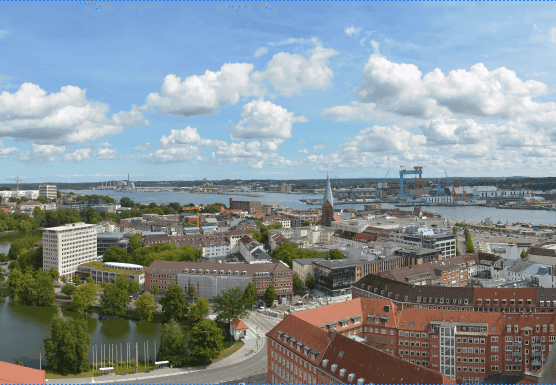
To celebrate the 100th anniversary of the Division, the Society of Water Chemistry is returning to its place of foundation: the city of Kiel.
Programme (German)
Programme (English)
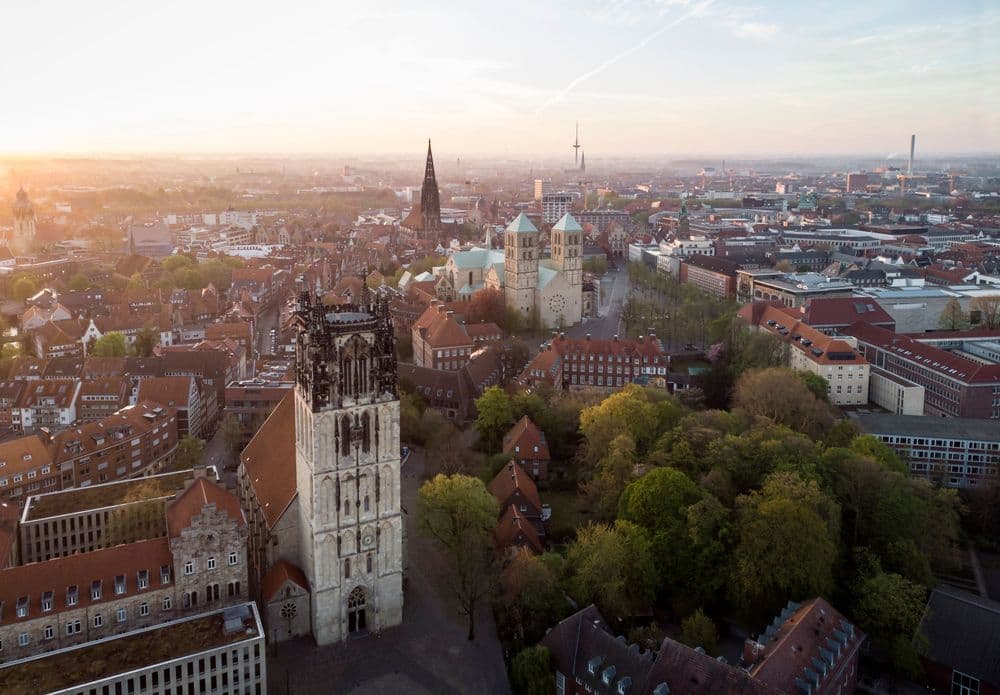
The university city of Münster in western Germany is known for its cycle-friendly cityscape and is therefore also known as the bicycle city. With its 320,000 inhabitants, it is one of the major centres of North Rhine-Westphalia. A well-known landmark is St Paul’s Cathedral, dating from the 13th century, which is distinguished by Gothic and Romanesque elements. Lake Aasee, located in the immediate vicinity of the venue for WASSER 2025, is a reservoir which, together with the adjacent meadows and forests, is considered an inner-city recreational area. (Photo: © Stadtmarketing Münster)
Programme
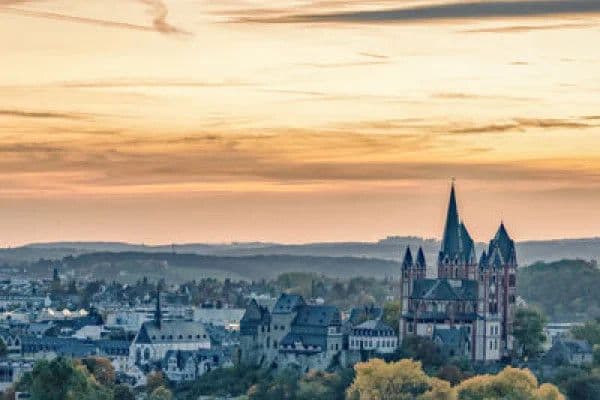
Limburg an der Lahn is the district town of the central Hessian district of Limburg-Weilburg and, together with the neighbouring Rhineland-Palatinate town of Diez, forms a cross-state twin centre with around 47,000 inhabitants. Due to its location, Limburg serves as a regional centre for the sparsely populated western part of Hesse, as well as for parts of the Westerwald district and the Rhein-Lahn district in the federal state of Rhineland-Palatinate. Limburg is particularly well known for its cathedral and picturesque half-timbered old town. Situated directly on the Lahn, water has always played a central role in Limburg. From the old Lahn bridge, you can see the imposing old rocky cathedral with its towers. The bridge is also home to Germany’s only surviving bridge tower from the 14th century. (Photo: © Stadtmarketing Limburg)
Programme
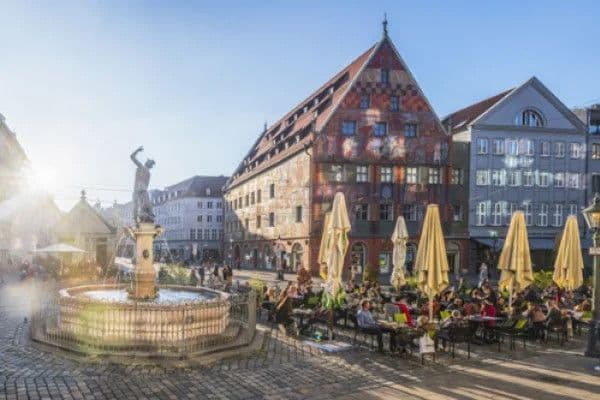
After three years of abstinence, during which personal interaction was not possible, the annual conference of the Society of Water Chemistry once again took place as an in-person event in the water city of Augsburg. Augsburg, a vibrant city with an Italian flair and joie de vivre, is one of the most important economic centres in Bavaria, with a population of around 300,000. The city’s history has been shaped by water over the centuries. With the “Augsburg Water Management System”, Augsburg has also been a UNESCO World Heritage Site since 2019, making it the ideal location for our annual conference. The historic city centre offers much more to see than just the Renaissance town hall with its Golden Hall or the Perlach Tower. It is still possible to sense something of the power and worldwide fame of the Fugger family here. (Photo: © Regio Augsburg Tourismus GmbH)
Programme
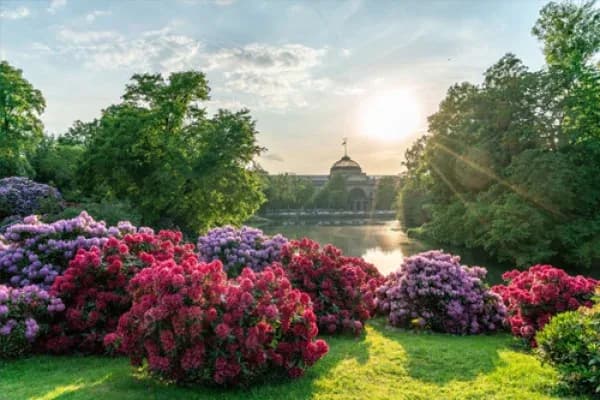
With a heavy heart, in order to avoid all risks and to ensure planning certainty, the Board decided once again to hold the event in an Online format due to the pandemic situation. The decision not to pursue the conference planning for Wiesbaden any further had to be made at a time when it was not foreseeable how the situation would develop by May. (Photo: © wiesbaden.de, Martin Kunz
Programme
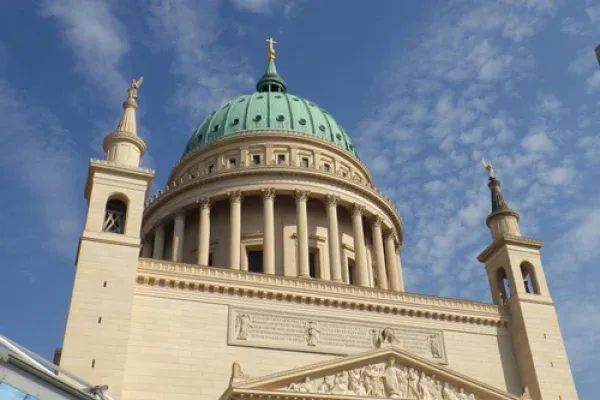
Due to the ongoing pandemic, GDCh had to cancel all in-person events for a second year in a row. As this was foreseeable, an alternative concept was developed in parallel in advance in the form of an Online event, which represented many essential elements of the annual conference. (Photo: © TMB-Fotoarchiv, Steffen Lehmann, SPSG)
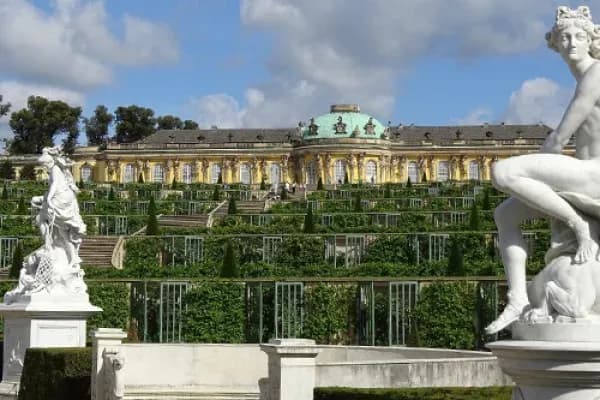
Due to the coronavirus pandemic, the annual conference planned in Potsdam had to be cancelled at short notice. It was a bitter blow for everyone involved to have to cancel an annual conference of the Society of Water Chemistry for the first time since 1948. (Photo: © Pixabay_neufal54)
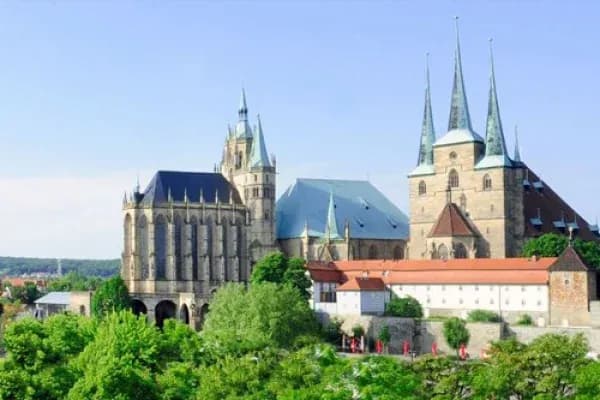
The annual conference took place in 2019 in Erfurt, the beautiful state capital of Thuringia. With around 213,000 inhabitants, the state metropolis is regarded as the "gateway" to Thuringia and is one of the most attractive university, trade fair and conference locations. The city of Luther, the cathedral and flowers can look back on a varied history spanning more than 1,250 years. The cityscape is characterised by one of Germany’s best-preserved medieval old town centres. Originally established at the intersection of important trade routes, Erfurt is not only an architectural gem but also the centre of a cultural landscape that has evolved over centuries. (Photo: © ETMG, Barbara Neumann)
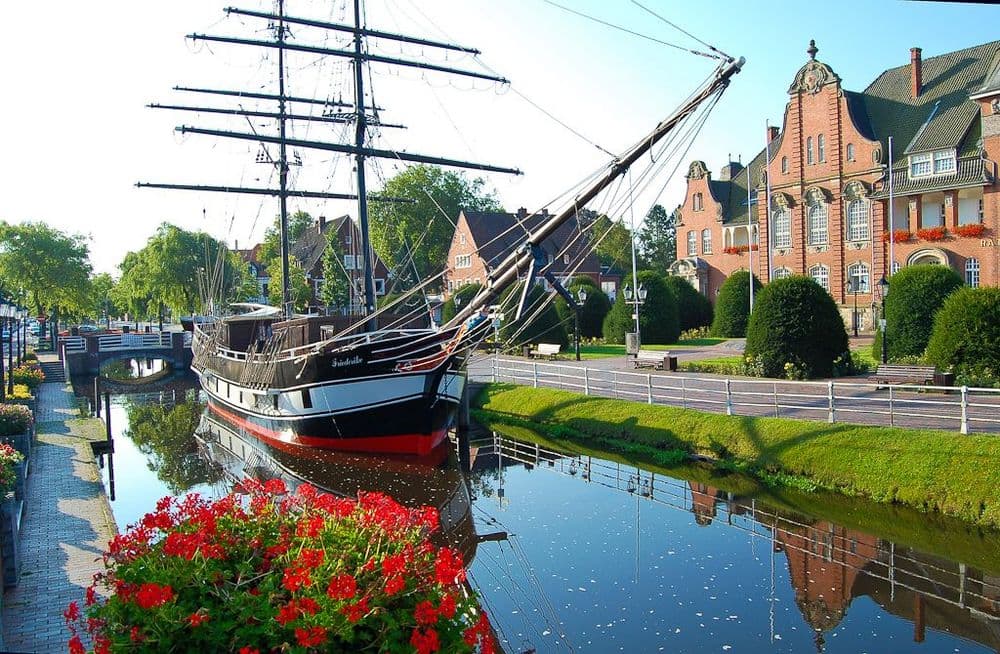
In 2018, the water chemistry community came together for its 84th annual meeting in Papenburg, the so-called “Venice of the North”. Germany’s longest and oldest fen colony (moor settlement), with its 37,000 inhabitants, is located in the northern Emsland, in direct proximity to East Frisia and the Netherlands. Water as the source of all life – once again, we encounter a connection with the main element of the Society of Water Chemistry, which formed the basis for the town’s development: In the 1630s, the town’s founder, Dietrich von Velen, had the first canals built to drain the moor and subsequently extract peat, so that the peat could be transported by ship to the East Frisian brickworks. Today, Papenburg is also associated with the construction of impressive cruise ships. (Photo: © Papenburg Marketing, Ute Müller)
Programme
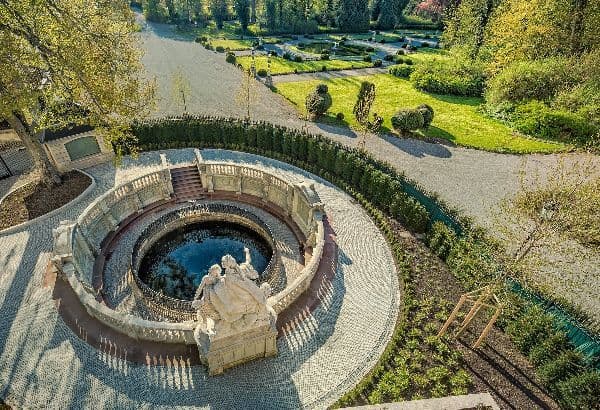
The 83rd Annual Conference took place in Donaueschingen. The residence town of the Princes of Fürstenberg, with its approximately 23,000 inhabitants, is ideally situated on the edge of the southern Black Forest and close to Lake Constance, the Swabian Jura and Switzerland. The Donauhallen offered first-class facilities for the requirements of the water Conference. Water as the source of all life – rarely was the connection to the central element of the Society of Water Chemistry as clear as it was in Donaueschingen. Although the larger source river, the Breg at the Martinskapelle near Furtwangen, is the hydrological source, the spring of the Donaubach in Donaueschingen is symbolically regarded as the source of the Danube. Approximately two kilometres east of the town, it joins the Brigach and Breg, the named beginning of the Danube, to form a single large river. From here, the Danube embarks on its long journey to the Black Sea, uniquely connecting the various cultures of Europe from west to east. (Photo: © City of Donaueschingen, Tobias Raphael Ackermann)
Programme
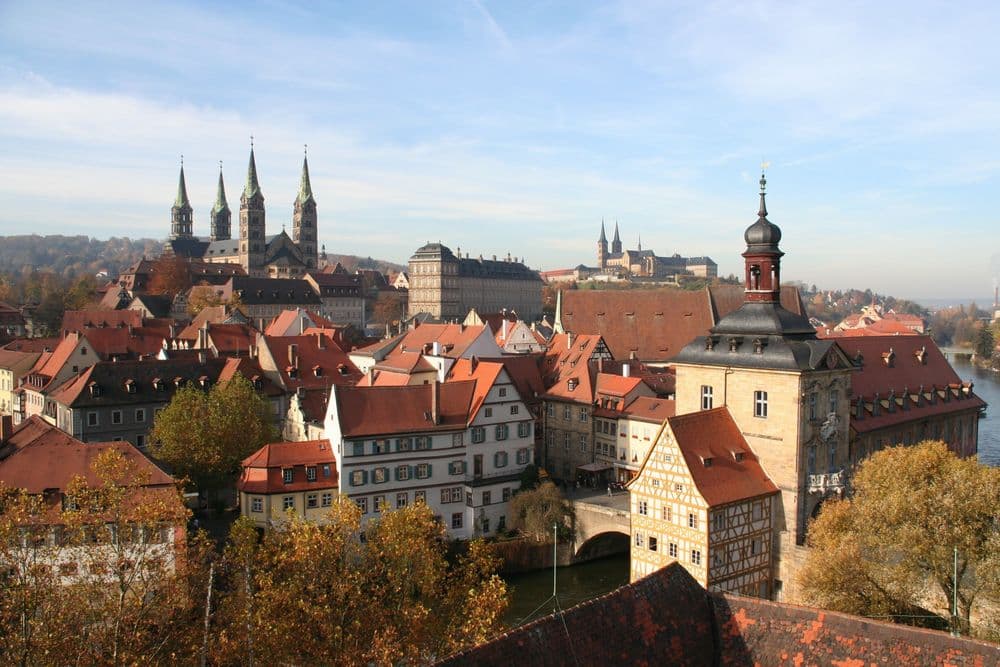
"Wasser 2016" took place from 2 to 4 May 2016 in Bamberg. This time, the venue was the Welcome Kongresshotel Bamberg. Today, around 70,000 inhabitants live in the Upper Franconian episcopal city on the Regnitz, founded by Emperor Henry II in 1007. The former imperial and episcopal city is characterised by its prosperous business location and its status as a young university city with a rich cultural life. With the largest intact historic old town in Europe, Bamberg has been on the UNESCO World Heritage List since 1993. (Photo: © Press Office of the City of Bamberg)
Programme
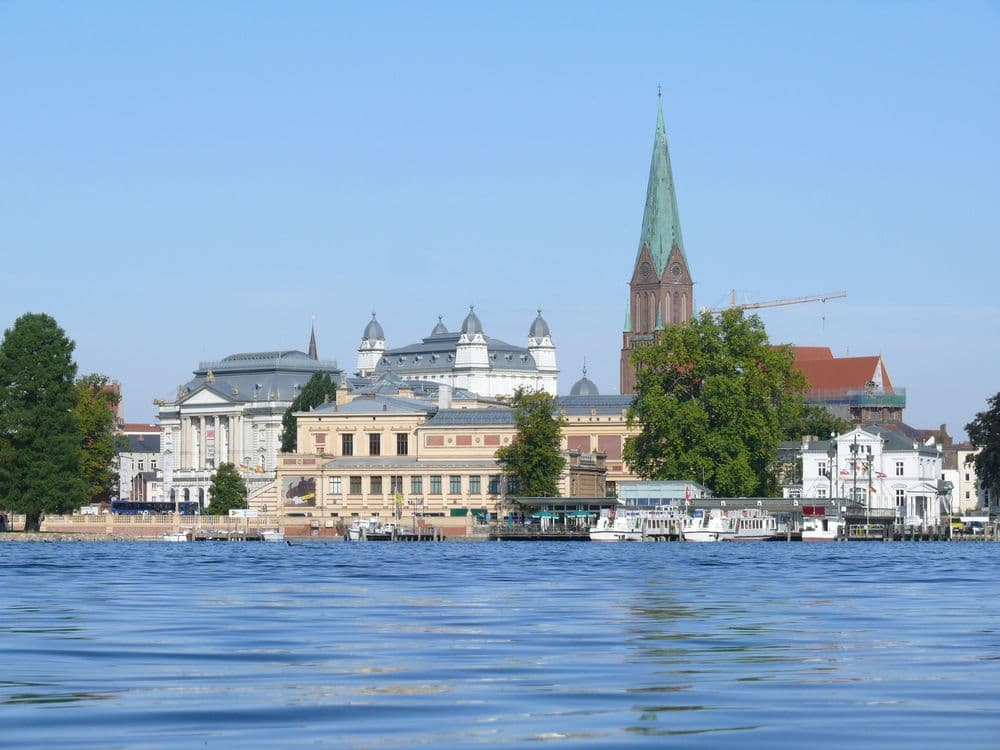
In 2015, the 81st annual conference of the Society of Water Chemistry opened its doors in Schwerin, the “city of seven lakes and forests”. Schwerin and water are inextricably linked – reason enough to hold the annual conference here. A total of 245 participants registered, who were offered 23 presentations and 81 posters. (Photo: © Stadtmarketing GmbH Schwerin)
1926: Kiel, 1927: Essen, 1928: Dresden, 1929: Breslau, 1930: Frankfurt, 1931: Vienna, 1932: Essen, 1933: Würzburg,1934: Cologne, 1935: Königsberg, 1936: Munich, 1937: Frankfurt, 1938: Bayreuth, 1944: Weimar, 1948: Hanover, 1949: Munich, 1950: Frankfurt, 1951: Essen, 1952: Bad Homburg, 1953: Hamburg, 1954: Bad Dürkheim, 1955: Frankfurt a.M., 1956: Konstanz, 1957: Goslar, 1958: Bad Nauheim, 1959: Kiel, 1960: Lindau, 1961: Würzburg, 1962: Fulda, 1963: Berlin, 1964: Bad Wiessee, 1965: Timmendorfer Strand, 1966: Bamberg, 1967: Bad Driburg, 1968: Bad Ems, 1969: Bad Dürrheim, 1970: Bad Nenndorf, 1971: Bad Reichenhall, 1972: Marburg, 1973: Bad Zwischenahn, 1974: Konstanz, 1975: Bad Kissingen, 1976: Kiel, 1977: Berlin, 1978: Obersdorf, 1979: Bad Pyrmont, 1980: Trier, 1981: Hinterzarten, 1982: Garmisch-Partenkirchen, 1983: Norderney, 1984: Bad Homburg, 1985: Bad Füssing, 1986: Wildbad, 1987: Bad Harzburg, 1988: Bad Neuenahr, 1989: Hindelang, 1990: Timmendorfer Strand, 1991: Bad Kissingen, 1992: Dresden, 1993: Badenweiler, 1994: Coburg, 1995: Hitzacker, 1996: Koblenz, 1997: Lindau, 1998: Lübeck, 1999: Regensburg, 2000: Weimar, 2001: Bad Wildungen, 2002: Eichstätt/Altmühltal, 2003: Stade, 2004: Bad Saarow, 2005: Bad Mergentheim, 2006: Celle, 2007: Passau, 2008: Trier, 2009: Stralsund, 2010: Bayreuth, 2011: Norderney, 2012: Neu-Ulm, 2013: Goslar, 2014: Haltern, 2015: Schwerin, 2016: Bamberg, 2017: Donaueschingen, 2018: Papenburg, 2019: Erfurt, 2020: cancelled (planned for Potsdam; coronavirus), 2021: Online (coronavirus), 2022: Online (coronavirus), 2023: Augsburg, 2024: Limburg a.d. Lahn, 2025: Münster, 2026: Kiel