
Friedrich-Stolz Award
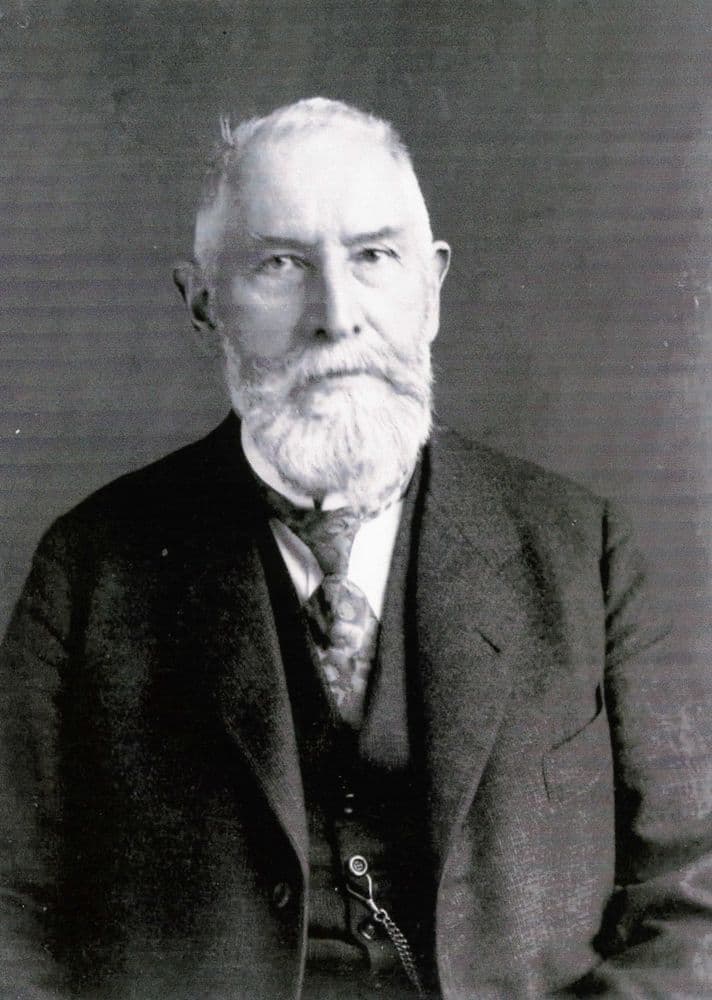
In memory of the industrial pharmacist and pharmaceutical researcher Friedrich Stolz, the GDCh Division of Medicinal Chemistry and the Division of Pharmaceutical/Medicinal Chemistry of the German Pharmaceutical Society (DPhG) have awarded the Friedrich-Stolz Award since 2022. In even-numbered years, the award is presented to an individual or team from industry, and in odd-numbered years to one from academia. It recognises exceptional commitment, scientific discoveries or innovative technologies of proven relevance that contribute to substantial therapeutic innovation or sustainable development and go beyond the early stages of research. The award comprises a certificate, prize money of 5,000 euros donated by the Divisions, a lecture as part of the “Frontiers in Medicinal Chemistry” Conference and two further lectures at one university and one industrial location in Germany.
The award is decided by a committee consisting of six people: two members of the GDCh Division’s executive board (Chair/Deputy Chair), two members of the DPhG Division’s executive board and two people from outside these Divisions; wherever possible, one person from each group comes from academia and one from industry.
Deadline: 31 October 2026
Objective
In memory of the industrial pharmacist and drug researcher Friedrich Stolz and his visionary innovative spirit, the GDCh Division of Medicinal Chemistry and the DPhG Division of Pharmaceutical/Medicinal Chemistry award the Friedrich-Stolz Award. In even-numbered years, the award is presented to an individual or team from industry, and in odd-numbered years to one from academia. It recognises exceptional commitment, scientific discoveries or innovative technologies with demonstrated relevance that contribute to substantial therapeutic innovation or sustainable development and go beyond the early stages of research.
The award
The award comprises a certificate, prize money of 5000 euros funded by the two Divisions, a lecture as part of the Frontiers in Medicinal Chemistry Conference, taking place from 15 to 18 March 2027 in Freiburg , and two further lectures at one university and one industrial location in Germany. Presentation of the award is linked to participation in FiMC; all award recipients will be invited to attend. If required, the Divisions will also cover the travel expenses of one person for each of the two additional lectures. The award committee, appointed by the Division boards, decides on the award and the locations of the additional lectures.
Nomination
Individuals or teams of up to three people from academia whose professional base is in Europe may be nominated. In the case of teams that also include members from industry, the lead contributor must come from academia. Self-nominations are not permitted. All nominations must include the following documents:
Submission
Please send your proposal by email and compiled into a single PDF file (max. 10 pages) to the GDCh Office, for the attention of Maike Fries.

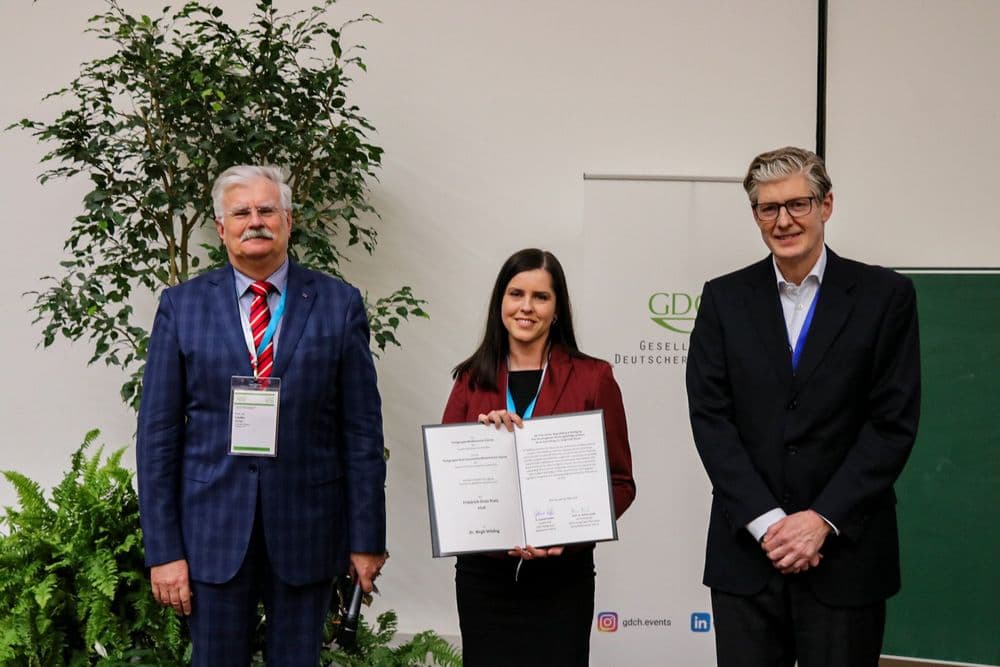
On the occasion of the Frontiers in Medicinial Chemistry 2026 Conference in Münster, the Tubulis team comprising Dr. Jonas Helma-Smets, Dr. Marc-André Kasper and Dr. Annette Vogl as well as Prof. Dr. Christian Hackenberger were awarded the Friedrich-Stolz Award 2026 in recognition of their outstanding research contributions that led to the development of antibody–drug conjugates with P5 conjugation, as was the Hernexeos/Zongertinib team led by Dr. Birgit Wilding in recognition of their outstanding research contributions that led to the development of zongertinib.
Tubulis team: "The team of Dr. Vogl, Dr. Kasper, Dr. Helma-Smets, and Prof. Hackenberger pioneered P5 ethynylphosphonamidate conjugation chemistry, creating a fundamentally new ADC modality with exceptional plasma stability, pharmacokinetics, and antitumour efficacy. Through elegant medicinal chemistry, they leveraged this platform to engineer NaPi2b-targeting exatecan ADCs with unprecedented linker stability, minimized off-target toxicity, and optimized molecular architecture. Their work culminated in TUB-040, an ADC demonstrating tumour regressions, a wide therapeutic window, and excellent tolerability in platinum-resistant ovarian cancer patients in Phase 1 trials."
Dr. Birgit Wilding: "Dr. Wilding pioneered the discovery and optimisation of highly selective covalent HER2 inhibitors, transforming early hits into potent lead structures with exceptional selectivity over EGFR. She led the medicinal chemistry programme that delivered zongertinib, overcoming critical ADME and selectivity challenges to create a best-in-class HER2 inhibitor with broad activity across HER2 oncogenic variants. Her work culminated in outstanding clinical success: zongertinib achieved a 71% response rate with excellent tolerability in HER2-mutant NSCLC, earning global regulatory recognition and reshaping targeted therapy for HER2-driven cancers."
Prize Committee 2026: Dr. Gerhard Heßler (GDCh), Dr. Tatjana Ross (GDCh), Prof. Dr. Stefan Laufer (DPhG), Prof. Dr. Christa Müller (DPhG), Dr. Gunda Georg (DPhG), Prof. Dr. Bernhard Wünsch (DPhG), Dr. Franz von Nussbaum (external; Chair)
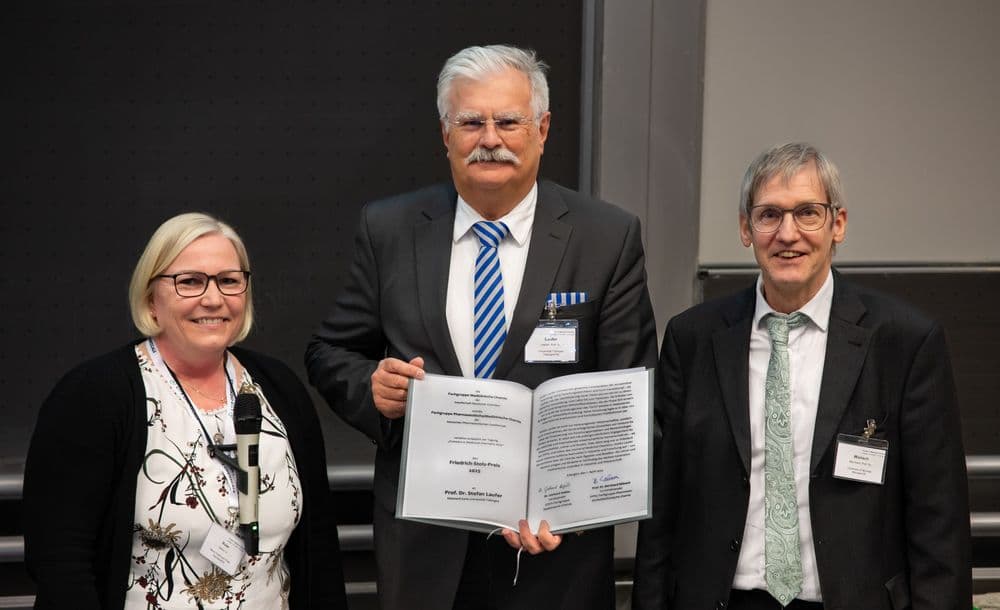
On the occasion of FiMC 2025 in Erlangen, Prof. Dr. Stefan Laufer was presented with the Friedrich-Stolz Award 2025 in recognition of his scientific life's work in the field of drug research:
"His research activities are highly translational – they range from the identification of new targets through to their clinical application, from the laboratory to the patient. As the inventor of more than two clinical drug candidates that reached Phase Ib/II, and as the founding father of TüCAT, he made significant contributions to drug development. He presented his research in more than 700 internationally recognised and highly cited publications. Stefan Laufer is not only an outstanding scientist, but also an entrepreneur who secured the funding of research projects and biotechnology companies by successfully raising venture capital. He is exceptionally committed to the national and international scientific community – as a scientist, teacher and lecturer. For many years, he was President of the DPhG and Editor of the Journal of Medicinal Chemistry. Stefan Laufer established scientific networks in industry and research – from Germany through the USA to Egypt and Brazil. As a teacher and mentor, he has had a lasting influence on and supported the next generation of medicinal chemists in industry and academia."
2025 Prize Committee: Gunda Georg (DPhG), Gerhard Heßler (GDCh), Christa Müller (external/academia),
Franz von Nussbaum (external/industry, Chair), Tatjana Ross (GDCh), Bernhard Wünsch (DPhG)
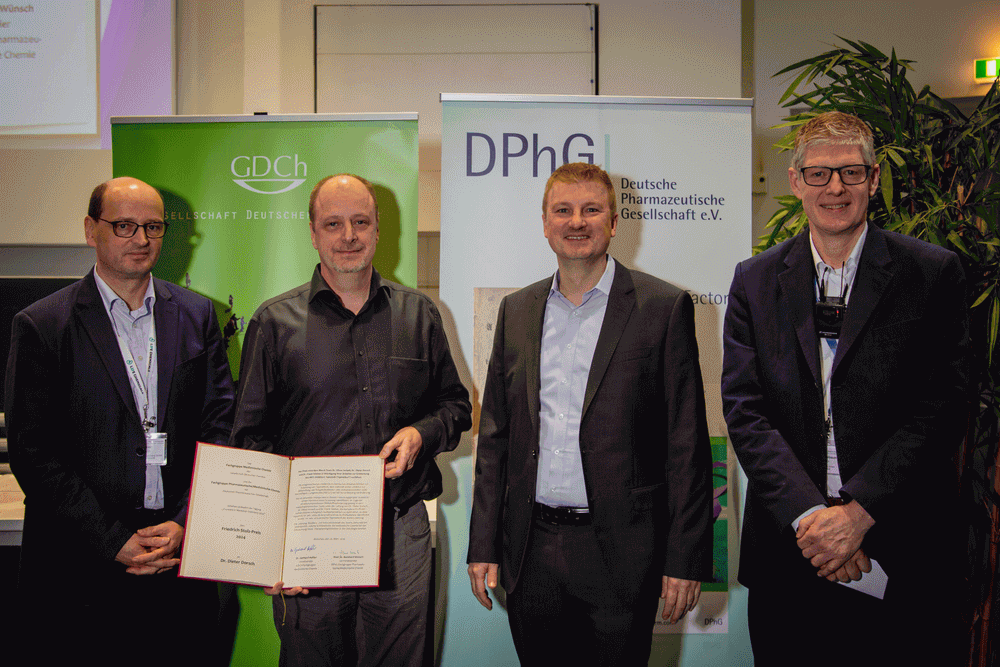
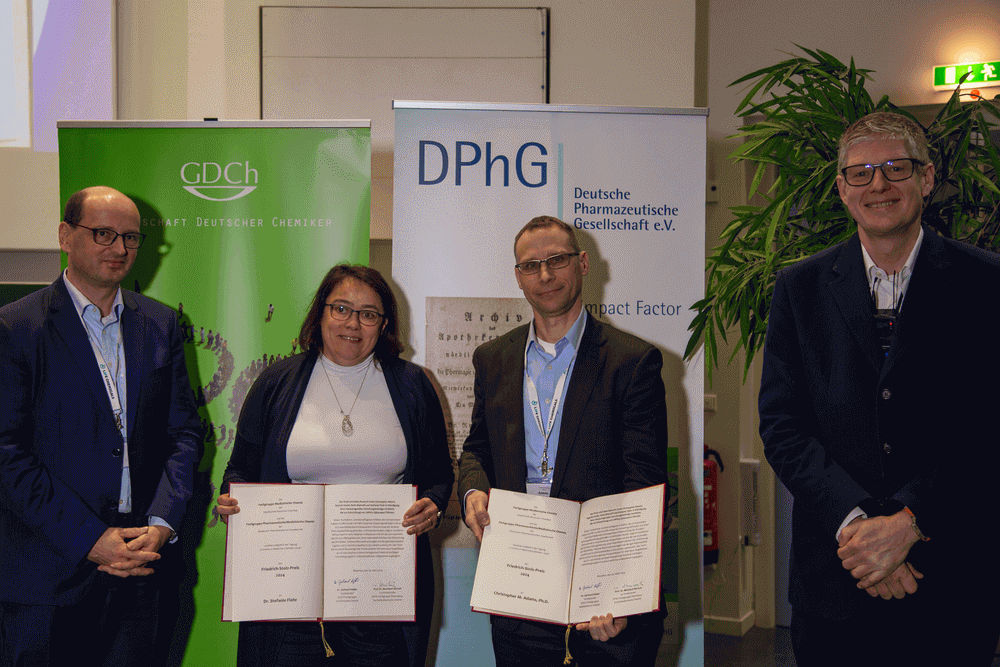
On the occasion of the Frontiers in Medicinial Chemistry 2024 Conference in Munich, the Novartis team Christopher Adams, Rajeshri Karki, Nello Mainolfi and Stefanie Flohr were awarded the Friedrich-Stolz Award 2024 in recognition of their outstanding research contributions, which led to the development of LNP023 (Iptacopan), as were the Merck team Dr Oliver Schadt, Dr Dieter Dorsch and Dr Frank Stieber in recognition of their work on the discovery of the MET inhibitor tepotinib.
Novartis team: "This highly active, orally bioavailable inhibitor of serine protease factor B (fB) was discovered using modern screening methods followed by a systematic investigation of the structure–activity relationship. In clinical studies, it demonstrates excellent efficacy in various indications, such as paroxysmal nocturnal haemoglobinuria, a life-threatening genetic disease affecting the blood. Other kidney diseases, such as IgA nephropathy (IgAN) and C3 glomerulopathy (C3G), are being investigated. In doing so, the team carried out outstanding pioneering work for a new target class, thereby making its biological potential accessible to important patient groups in different indications."
Merck team: "The outstanding medicinal chemistry work led to the approval of Tepmetko®, the world's first inhibitor for the treatment of advanced or metastatic non-small-cell lung cancer (NSCLC) with a METex14-skipping alteration. The structural starting points in this research project were identified in a high-throughput screening. In the course of structure-supported drug optimisation, the medicinal chemistry team led by Dr Dieter Dorsch, Dr Oliver Schadt and Dr Frank Stieber successfully optimised the complex profile of the lead structures using a multiparametric approach, so that tepotinib was identified as an innovative clinical development candidate in 2009. In 2019, Tepmetko® received marketing authorisation. The team's performance, resilience and innovative strength impressively demonstrate the key role medicinal chemistry plays in researching new therapeutic options in oncology."
2024 Prize Committee: Dr Gerhard Heßler (GDCh), Dr Tatjana Ross (GDCh), Prof. Dr Stefan Laufer (DPhG), Prof. Dr Bernhard Wünsch (DPhG), Dr Franz von Nussbaum (external; Chair) and Prof. Dr Christa Müller (external)
On the occasion of FiMC 2023 in Vienna, Prof. Dr. Rolf Hartmann was honoured with the Friedrich-Stolz Award 2023 in recognition of his scientific achievements over the course of his career in the field of rational drug design.
"The award-winning interdisciplinary work is based on innovative design, synthesis and, in most cases, comprehensive and extensive biophysical, biochemical and pharmacological evaluation within his own working group. Thanks to his outstanding medicinal chemistry work, Prof. Dr. Hartmann succeeded in developing highly active and selective inhibitors of steroid biosynthesis. The propagation and validation of four new targets opened up the development of essential medicines for the treatment of cancer and led to three successful company foundations. The development of pathoblockers as a new approach to the antimicrobial resistance crisis is equally groundbreaking. The achievements, innovative strength and successful translation impressively demonstrate the key role medicinal chemistry plays in researching fundamental pharmacological principles and how medicinal chemistry can benefit patients."
2023 Prize Committee: Dr. Ingo Hartung (external), Prof. Dr. Stefan Laufer (DPhG), Prof. Dr. Peter H. Seeberger (external; Chair), Prof. Dr. Holger Stark (GDCh; representing Prof. Dr. Anna Hirsch), Dr. Franz von Nussbaum (GDCh), Prof. Dr. Bernhard Wünsch (DPhG),
Did not participate due to a conflict of interest: Prof. Dr. Anna Hirsch (GDCh)
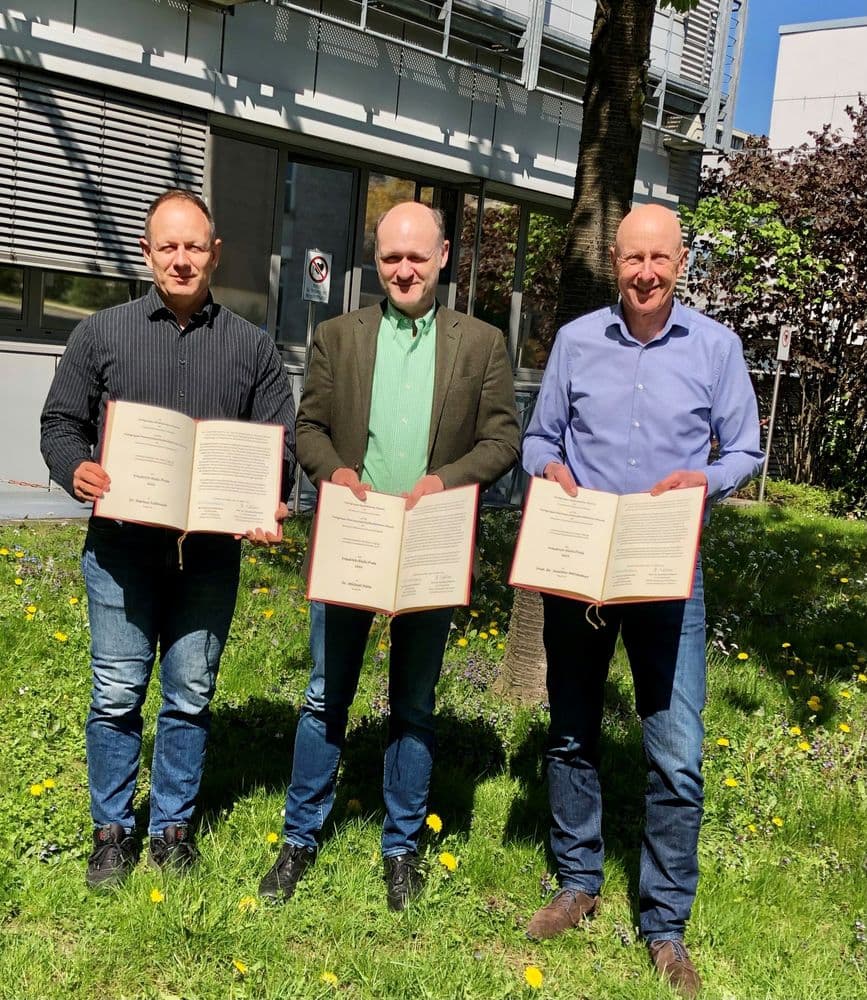
The Friedrich-Stolz Award was presented for the first time on 16 March 2022 on the occasion of the Online-FiMC 2022 to Prof. Dr. Joachim Mittendorf, Dr. Markus Follmann and Dr. Michael Hahn (Bayer AG) in recognition of their work on the discovery of modulators of soluble guanylate cyclase (sGC).
"The award-winning work initially enabled the validation of sGC as a highly relevant cardiovascular target, with early lead structures and first clinical candidates. The active substances riociguat and vericiguat – both sGC stimulators – were successfully approved as medicines based on the work of Prof. Dr. Joachim Mittendorf and Dr. Markus Follmann. Riociguat is now used to treat pulmonary arterial hypertension, while vericiguat is used to treat chronic heart failure. Based on the work of Dr. Michael Hahn, in addition to the sGC stimulators mentioned above, sGC activators are now also undergoing advanced clinical trials. Runcaciguat, for example, is being investigated as a treatment option for chronic kidney disease. The team’s achievements and innovative strength demonstrate impressively the key role that medicinal chemistry can play in the investigation of fundamental pharmacological principles and how medicinal chemistry can benefit patients."
2022 Prize Committee: Prof. Dr. Anna Hirsch (GDCh), Prof. Dr. Stefan Laufer (DPhG), Prof. Dr. Christa Müller (DPhG), Prof. Dr. Peter H. Seeberger (external; Chair)
Unable to participate due to a conflict of interest: Dr. Ingo Hartung (external), Dr. Franz von Nussbaum (GDCh)
| 2026 | Tubulis Team Dr. Jonas Helma-Smets, Dr. Marc-André Kasper Dr. Annette Vogl Prof. Dr. Christian Hackenberger | Hernexeos/Zongertinib Team Dr. Birgit Wilding |
| 2025 (Academia) | Prof. Dr. Stefan Laufer, University of Tübingen | |
| 2024 (Industry) | Merck Team
| Novartis Team Christopher Adams Stefanie Flohr Rajeshri Karki Nello Mainolfi |
| 2023 (Academia) | Prof. Dr. Rolf Hartmann, Helmholtz Institute for Pharmaceutical Research Saarland (HIPS) | |
| 2022 (Industry) | Bayer AG Dr. Markus Follmann Dr. Michael Hahn Prof. Dr. Joachim Mittendorf |