
Perspective Day
The Young Environmental Chemistry & Ecotoxicology (jUCÖT) organises one or two “Career Perspective Days” (formerly: Doctoral Researcher Days) each year for students or doctoral researchers working in the field of environmental chemistry and ecotoxicology. Research institutions, industrial companies and public authorities present themselves as potential employers, while early-career researchers learn more about possible career paths. Participants make contacts and get to know one another, which can sometimes make it easier to enter the profession after completing their studies or doctorate.
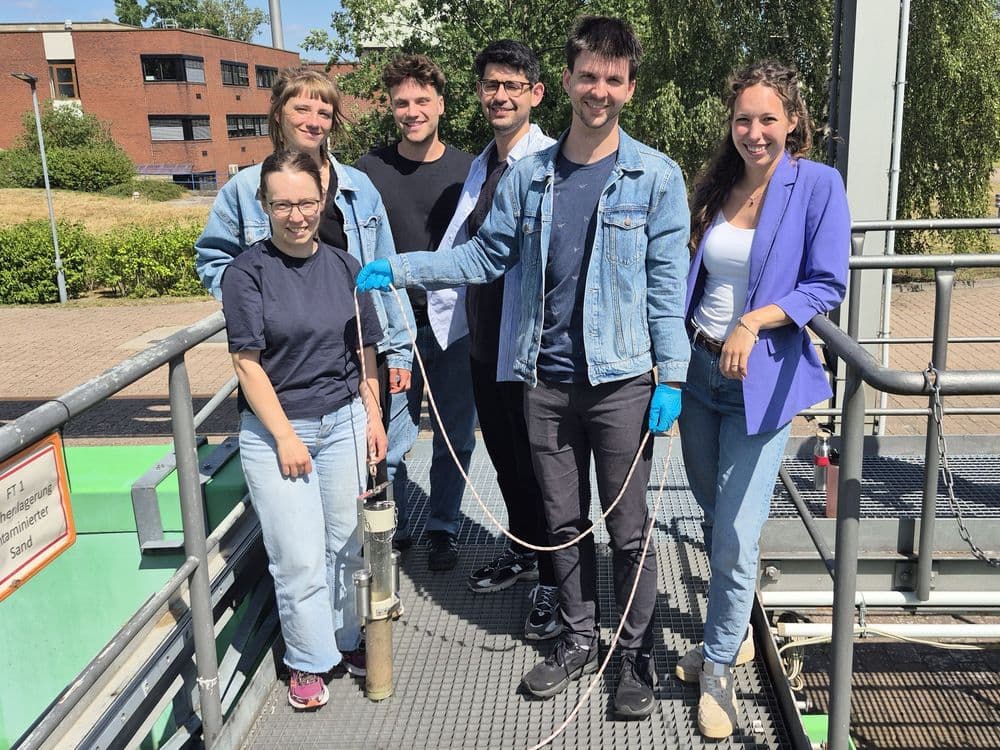
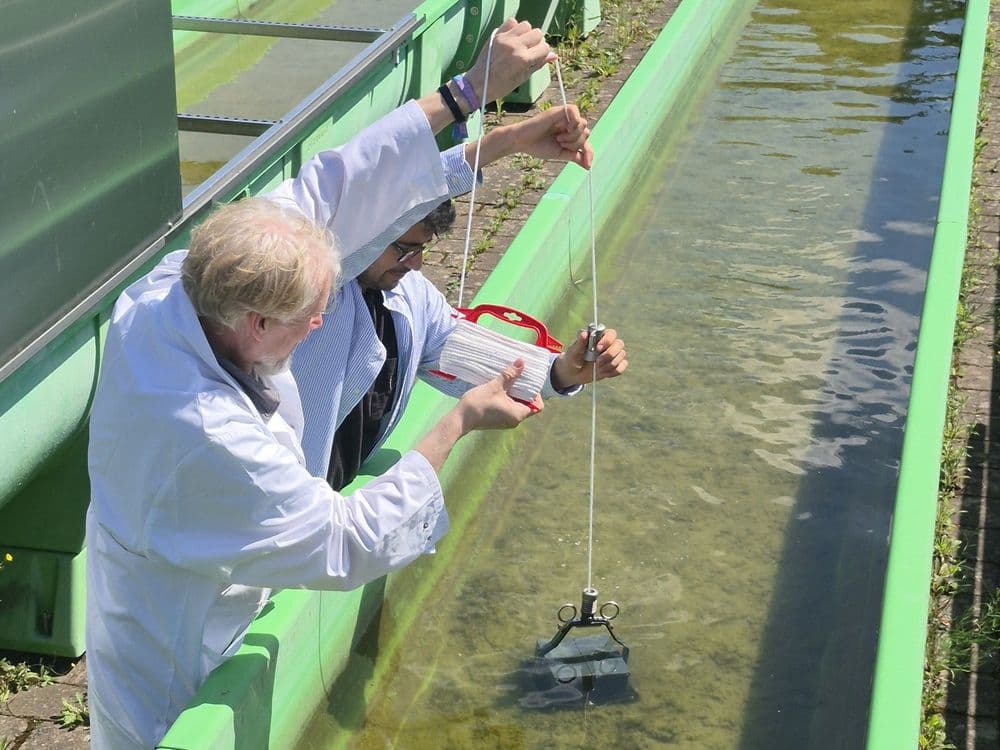
The German Environment Agency (UBA) is far more than “just” a regulatory authority. Participants in the jUCÖT’s 11th Perspectives Day at the Berlin-Marienfelde site were able to see this for themselves.
Tours of the various laboratories and research facilities offered fascinating insights into the scientific work. In addition to the solid-material extraction and algae laboratories, current research projects were presented, including investigations into the ecotoxicological effects of munitions remnants in the North and Baltic Seas. In the afternoon, the UBA’s outdoor research facilities were visited. Current research at lysimeter facilities, mesocosms and the flowing-water simulation facility was presented. A practical demonstration of sediment and water sampling rounded off the visit and provided an illustrative introduction to environmental research methods.
There was also plenty of opportunity for personal exchange. The shared lunch provided an opportunity to talk to UBA staff and find out more about doctoral topics, dissertations and career paths in environmental research and at the German Environment Agency. We would like to thank the staff of the German Environment Agency, who organised the day with great commitment and gave participants a closer insight into their work.


jUCÖT’s Perspective Day on 26 April 2026 at the Helmholtz Centre for Environmental Research in Magdeburg offered participants a wide range of insights into current environmental research topics and brought together impressions from theory and practice. In short presentations, doctoral researchers presented their current research projects – from physical modelling and investigations into anthropogenic pollutants such as tyre abrasion, to ecological assessments of restoration measures. Alongside the academic input, there were also opportunities to discuss possible dissertations. A highlight was the sampling session on the Alte Elbe, during which participants collected water and soil samples themselves and gained practical insights into field methods. This was complemented by a tour of the water analysis laboratories, which demonstrated modern analytical methods and the challenges involved in examining complex environmental samples. The event received particular attention from an MDR television crew, which accompanied the Perspective Day (broadcast: 20 June 2026). The Perspective Day highlighted the importance of interdisciplinary approaches and provided a valuable platform for networking and professional exchange. Special thanks go to the organising team and everyone involved for their commitment.
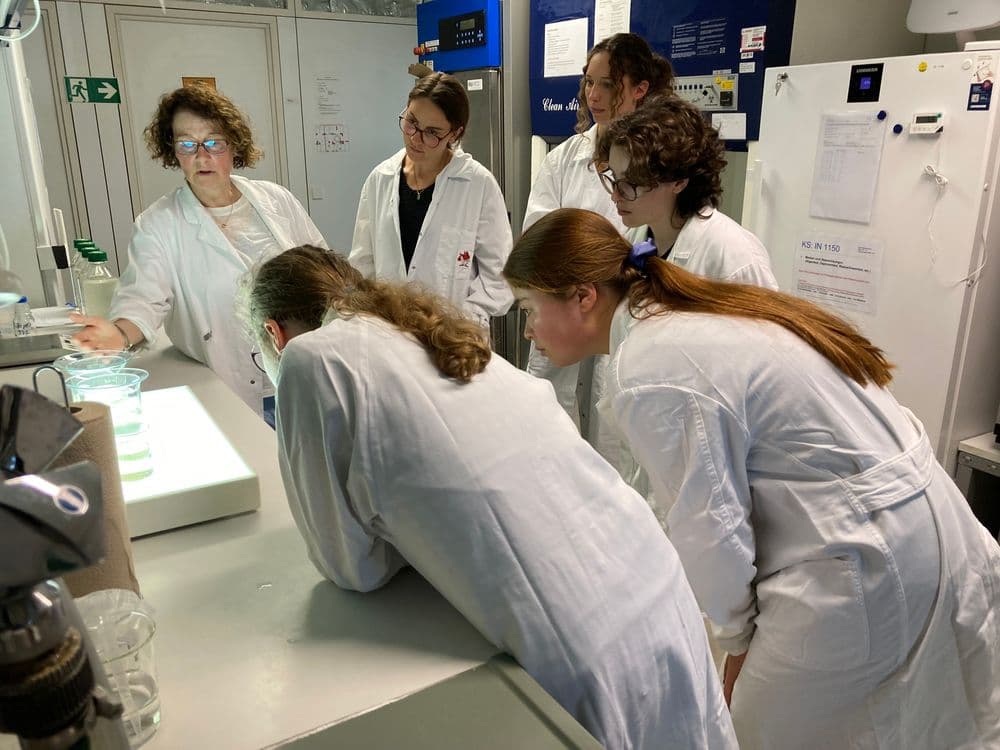
Five participants, from a diverse mix of Bachelor’s, Master’s and PhD programmes, got a behind-the-scenes look at Hydrotox GmbH on 25 June 2025. As part of the jUCÖT Perspectives Day, the group gained practical insights into the world of ecotoxicology. The morning began with a brief round of introductions over a cup of coffee. While some participants were already familiar with ecotoxicology, for others it was new territory and perhaps even helped them decide how to shape their future studies. Dr. Christoph Hafner, Head of the testing facility, began with an introduction to ecotoxicology, explaining the most important terminology and the purpose of ecotoxicological tests. Among other things, the following questions were addressed: “What is actually meant by “Good Laboratory Practice” (GLP)?”, “How is a testing facility structured?” and “Which organisms are used in classical ecotoxicological tests?” During a detailed laboratory tour, the group gained fascinating insights into algal tests and various algal species under the microscope, followed by daphnia reproduction and fish embryo tests. Anyone who wished could try transferring a fish embryo from one vessel to another using a pipette. Participants were also given the opportunity to look at a Fish Early Lifestage Test (FELST). This led to a lively discussion about the importance of the 3R principle and the purpose of FELST tests in the context of animal welfare and regulation. The Hydrotox staff took plenty of time to answer all questions in detail and in an understandable manner. To conclude, the various options for conducting degradation tests were explained. It was particularly interesting to hear about the advantages and disadvantages of the different methods.
During a shared pizza lunch, a lively discussion developed about opportunities for graduates to enter the field of ecotoxicological testing facilities. To round off the day, two of the participants shared their experiences: “This really helped me decide to specialise in ecotoxicology!” We would like to thank the organisers for their time and efforts, especially Dr. Christoph Hafner, Andrea Brunswik-Titze and Marie Canon, and we look forward to seeing them again!
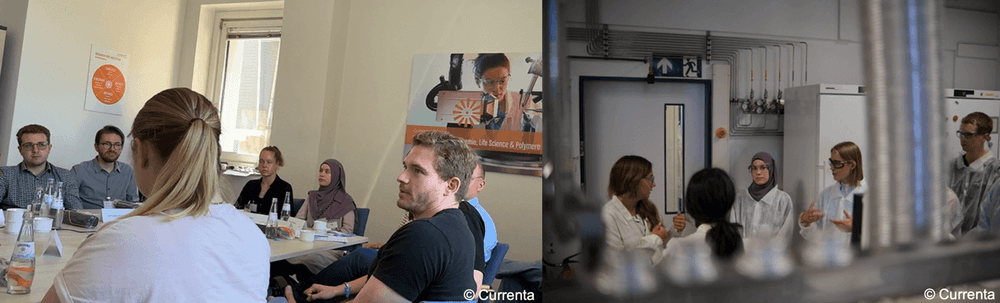
In Leverkusen, 14 participants were welcomed at the visitor centre. During the welcome, the Chempark was introduced, followed by a site tour that clearly demonstrated the various operations, site security units and infrastructure. The size and diverse connections within the park made a particularly strong impression. On arrival at Currenta, there was an open discussion about the challenges facing chemical parks, such as sustainability, competitiveness and security of supply. This was followed by interactive presentations on non-target analysis for monitoring the wastewater system in relation to the production of the individual operations in the Chempark, and on product compliance and ecotoxicology from an industrial perspective. The group also received a guided tour of the ecotoxicology and environmental analysis laboratories for wastewater and air samples. Finally, a representative of the Human Resources department presented opportunities for starting a career. This varied and informative Perspective Day came to a pleasant close with a meal shared by some of the participants.

For five participants, the day began at lunchtime at the Max Planck Institute for Chemistry (MPIC) in Mainz with a welcome and an introduction to the Max Planck Institutes by Dr. Susanne Benner. Prof. Gerhard Lammel (from the Working Group Atmospheric Chemistry) then gave an introductory talk on the multiphase distribution of pollutants in the atmosphere, soil and oceans. This was followed by a guided tour of the Institute. The group first gained fascinating insights into the Institute’s research on field measurements of volatile organic compounds using the HALO research aircraft over Australia and at the ATTO Tower in the Amazon rainforest. They then visited another working group that researches stalagmites and stalactites as climate archives using isotope ratios. To conclude the first part of this Insights Day, Dr. Susanne Benner provided information about opportunities to enter research at the Max Planck Society. In the afternoon, the group moved on to the Max Planck Institute for Polymer Research (MPIP), which is located directly next door. As part of a Student Open House there was an informal session with a poster session. This provided an introduction to the different subject areas and working groups at the MPIP, as well as more information about vacancies and entry opportunities. The evening concluded in a relaxed atmosphere outdoors, with drinks, bratwurst, vegan meatballs and music in sunny weather.
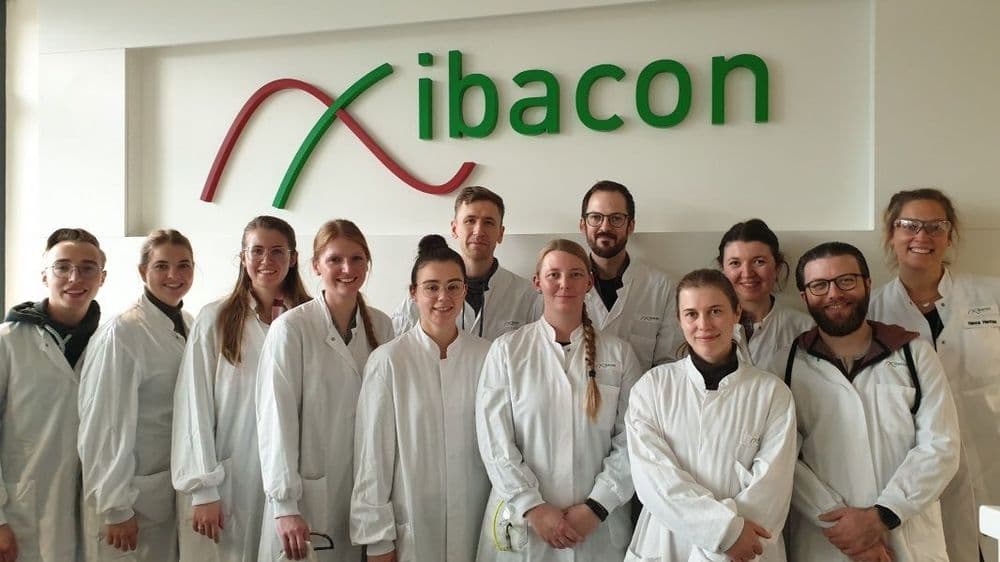
The 6th Career Perspectives Day of the Division of environmental chemistry and ecotoxicology took the 10 participants on 15 November 2022 into the exciting world of contract research at ibacon GmbH in Roßdorf near Darmstadt, and was organised for the first time by the young environmental chemistry and ecotoxicology group (jUCÖT).
ibacon GmbH is an independent, medium-sized contract research laboratory (Contract Research Organisation, CRO). The company was founded in 1994 and currently employs approximately 170 people from a wide range of professional backgrounds. As a partner to the global chemical and pharmaceutical industry, ibacon GmbH offers a GLP-compliant service for the environmental risk assessment of chemicals. Particularly noteworthy are the balanced gender ratio among employees and the company’s family-friendly policies.
As part of the Career Perspectives Day, the participants, who are currently pursuing their PhD or Master’s degree or have already completed their PhD, had the opportunity to get to know a potential employer and make contacts as prospective entrants to the workforce. Through engaging presentations in a pleasant atmosphere and laboratory tours of the individual departments of Aquatic Ecotoxicology, Terrestrial Ecotoxicology, Chemical Analysis and Environmental Fate, the participants were able to gain an impression of the topics of environmental chemistry and ecotoxicology from a CRO’s perspective. In addition, Vali Consulting GmbH, a wholly owned subsidiary of ibacon GmbH, provided an insight into work in the field of risk assessment and chemical registration. Through brief accounts of career paths and descriptions of the work carried out by employees from different areas, the participants were able to learn more about the opportunities and challenges of working day to day as a study director, QA manager or regulatory affairs manager.
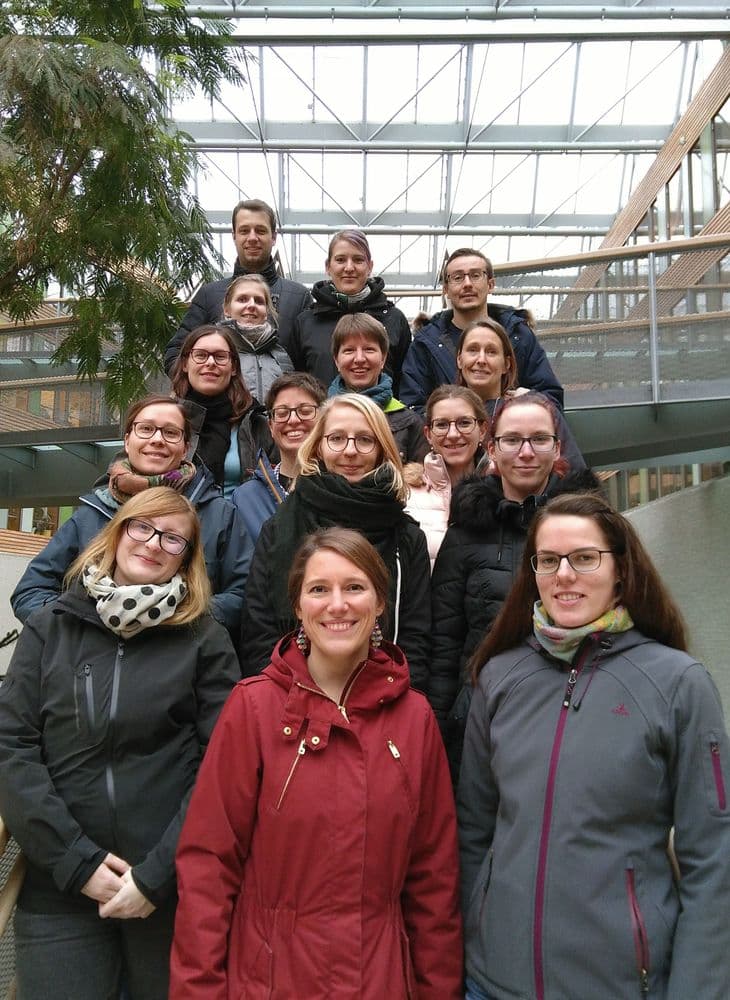
5th Career Perspectives Day at the German Environment Agency
Anyone who had always wanted to get to know the German Environment Agency (UBA) more closely as an employer had the opportunity to do so on 20 November 2019. The GDCh Division Environmental Chemistry & Ecotoxicology held its annual Career Perspectives Day in Dessau-Roßlau this time. The day gave students and doctoral researchers the opportunity to learn more about the UBA as a potential employer and make initial contacts. In addition to general information about the UBA’s work in Dessau-Roßlau, the regulation of chemicals was examined from different perspectives in specialist presentations. Alongside an introduction to regulatory ecotoxicology, there were also presentations on the Water Framework Directive as a form of media-related regulation and on flame retardants in waste electrical and electronic equipment as an example of product-related regulation. There was also a tour highlighting the architectural and technical features of the site. For the participants, gaining an impression of the presenters’ day-to-day work was particularly interesting. An afternoon meeting with new UBA employees also served this purpose; they shared their experiences of the application process and starting their careers.
On 10 October 2017, the 4th Doctoral Candidates’ Day provided an insight behind the scenes at Eurofins Agroscience Services GmbH in Niefern-Öschelbronn, Baden-Württemberg.
The Board of the GDCh Division environmental chemistry & ecotoxicology invited attendees to the 3rd Doctoral Candidates’ Day at the Fraunhofer Institute for Molecular Biology and Applied Ecology IME in Schmallenberg on 20 October 2016 .
The 2nd PhD Student Day took place on 28 October 2015 at Bayer CropScience in Monheim and provided insights into the areas of “Environmental Fate, Metabolism and Ecotoxicology”.
This event for doctoral researchers and young professionals at potential employers was launched on 25 November 2014 with a visit to BASF at its Ludwigshafen site (or the Frankenthal sewage treatment plant) and Limburgerhof (Crop Protection Centre).