ARTIKEL

Photoredox Mediated Synthesis of Substituted Imidazoles from Terminal Alkynes

03.09.2025
Photoredox Mediated Synthesis of Substituted Imidazoles from Terminal Alkynes

Von Wiley-VCH zur Verfügung gestellt

A visible light photoredox-induced approach for the synthesis of substituted imidazoles via alkynes, glycine methyl ester, and thiophenol is presented. The reaction is driven via photoinduced exploration of alkynes and their combination with thiol, producing vinylic radical and its subsequent nucleophilic addition to glycine methyl ester as N-source to produce imidazoles via concurrent two C─N bond formations.


Abstract

A visible light photoredox-induced approach for the synthesis of substituted imidazoles via alkynes, glycine methyl ester, and thiophenol is presented. The reaction is facilitated by the photoinduced activation of alkynes, coupled with thiol, which generates a vinylic radical. This radical subsequently undergoes a nucleophilic addition to glycine methyl ester, serving as a nitrogen source, thereby leading to the formation of imidazoles through the concurrent creation of two carbon-nitrogen bonds.

Verwandte Artikel

Photoredox Mediated Synthesis of Substituted Imidazoles from Terminal Alkynes
Recent Advances in Detergent Chemistry and Handling Support Membrane Protein Analysis Including Lipid Interactions
Photoredox Mediated Synthesis of Substituted Imidazoles from Terminal Alkynes
The Application of PEG‐functionalized Amphiphilic Pillararene in Drug Delivery Systems
Photoredox Mediated Synthesis of Substituted Imidazoles from Terminal Alkynes
Fluorescent Zr(IV) Metal‐Organic Frameworks for the Rapid and Sensitive Detection of Acidic Nitrophenols in Water
Photoredox Mediated Synthesis of Substituted Imidazoles from Terminal Alkynes
Citrate‐Assisted Solvothermal Synthesis of SnO2 Porous Microflowers as Efficient Cathode for Advanced Hybrid Supercapacitor
Photoredox Mediated Synthesis of Substituted Imidazoles from Terminal Alkynes
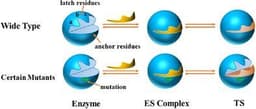
The Ability of Enzymes to Preserve Reactive Conformations During Enzyme‐Catalyzed Reactions can be an Important Factor for Efficient Catalysis