ARTIKEL

Controlled Enzymatic Synthesis of Polyesters Based on a Cellulose‐derived Triol Monomer: A Design of Experiment approach

28.03.2024
Controlled Enzymatic Synthesis of Polyesters Based on a Cellulose‐derived Triol Monomer: A Design of Experiment approach

Regioselective enzymatic polycondensation of the bio-based cellulose derived polyol, Triol-citro, and dimethyl adipate using Candida antarctica Lipase B (CaLB) was investigated. A Design of Experiment approach with MODDE® Pro 13 was used to determine important factors in the branching behavior of this polymer, and reactant ratio, temperature, reaction time and enzyme wt% were the studied factors. Multifunctional polyesters with pendant hydroxyl groups were synthesized and fully characterized using 2D NMR techniques to determine degree of branching. Branching was minimal, with a maximum of 16% observed, and monomer ratio, temperature and reaction time were all determined to be significant factors. In this work, Mn of up to 13 kDa were achieved, while maintaining degree of branching below 15%, resulting in a linear polyester with the potential to be further functionalized.

Verwandte Artikel

Controlled Enzymatic Synthesis of Polyesters Based on a Cellulose‐derived Triol Monomer: A Design of Experiment approach
54. Deutsche Lebensmittelchemietage 2026 in Kaiserslautern
Controlled Enzymatic Synthesis of Polyesters Based on a Cellulose‐derived Triol Monomer: A Design of Experiment approach
GDCh-Fachgruppe Patentrecht schreibt Innovationspreis 2027 aus
Controlled Enzymatic Synthesis of Polyesters Based on a Cellulose‐derived Triol Monomer: A Design of Experiment approach
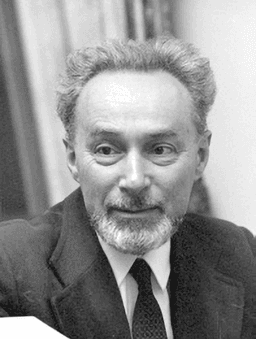
Primo Levi. His legacy still bonds chemistry and conscience.
Controlled Enzymatic Synthesis of Polyesters Based on a Cellulose‐derived Triol Monomer: A Design of Experiment approach
„Alles Chlor!“: 088 Schaumgeflüster
Controlled Enzymatic Synthesis of Polyesters Based on a Cellulose‐derived Triol Monomer: A Design of Experiment approach
GDCh ehrt Ullrich Scherf mit Hermann-Staudinger-Preis